Waxing Nostalgic Cover Albums: Ozzy Osbourne, Under Cover
Published on June 19th, 2013 in: Music, Music Reviews, Reviews, Waxing Nostalgic |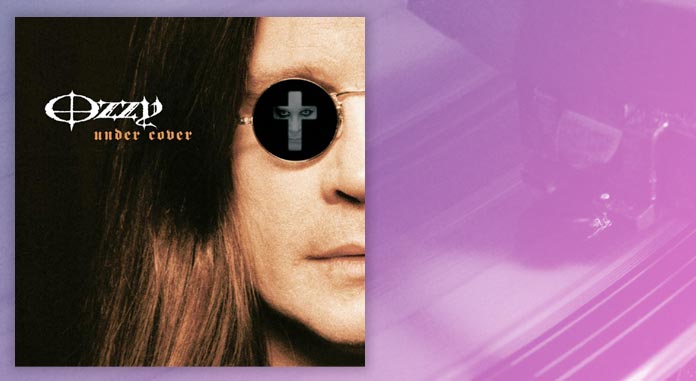
Ozzy Osbourne has been around since, what, the Dark Ages? Has he ever not been somewhere, skulking around a stage with one hand in the air and one hand on his stomach, like he’s about to do a drunk trick? He has done it all, seen it all, and even if reality television success did spoil Ozzy Osbourne for a while, he still has the respect of musicians and metalheads alike. It’s not a surprise to find three generations of Ozz-heads at a show. He has become transcendent.
Comments Off on Waxing Nostalgic Cover Albums: Ozzy Osbourne, Under Cover
Music Review: Piñata Protest, El Valiente
Published on June 18th, 2013 in: Current Faves, Music, Music Reviews, New Music Tuesday, Reviews |
When I hit play on my demo copy of El Valiente, a series of brostep-style drops came out of my speakers. My heart sank. Had “los muy chingóns de Norteño Punk” gotten sidetracked by that most loathsome of EDM subgenres? One second and a long yip later, I realized I didn’t have to worry.
For the uninitiated, Piñata Protest has mastered a sound that blends the buzzing cacophony and shout-along choruses of punk with Norteño, an accordion-driven form of traditional Mexican music. While the two genres may seem at odds with one another, the fast tempos and slyly political lyrics for which Norteño is known play well with the exuberant energy of punk. It’s a wonder other bands haven’t tried this kind of you-got-your-peanut-butter-in-my-chocolate crossover.
Comments Off on Music Review: Piñata Protest, El Valiente
DVD Review: The Cary Grant Film Collection
Published on June 17th, 2013 in: DVD, DVD/Blu-Ray Reviews, Movie Reviews, Movies, Retrovirus, Reviews |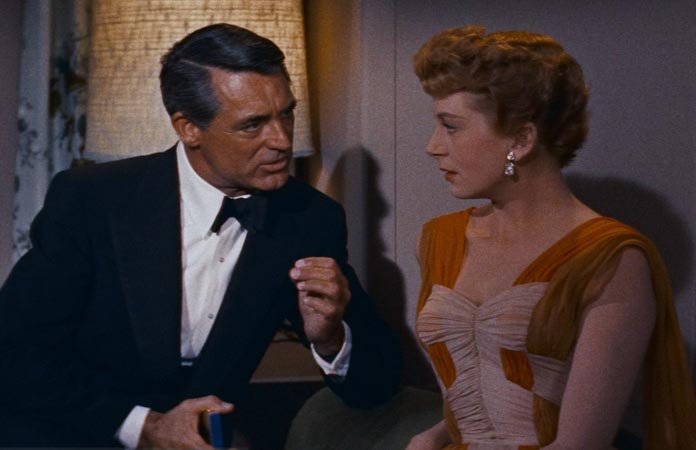
An Affair To Remember (1957)
It is nearly impossible to write about Cary Grant without mentioning the words suave, dashing, elegant, or handsome, so let’s just get all of those words out of the way now. Twentieth Century Fox has released a six-DVD box set of a collection of Cary Grant films and it’s a decent overview of his career.
Comments Off on DVD Review: The Cary Grant Film Collection
DVD Review: John Dies At The End
Published on June 14th, 2013 in: Comedy, Current Faves, DVD, DVD/Blu-Ray Reviews, Horror, Movie Reviews, Movies, Reviews, Science Fiction |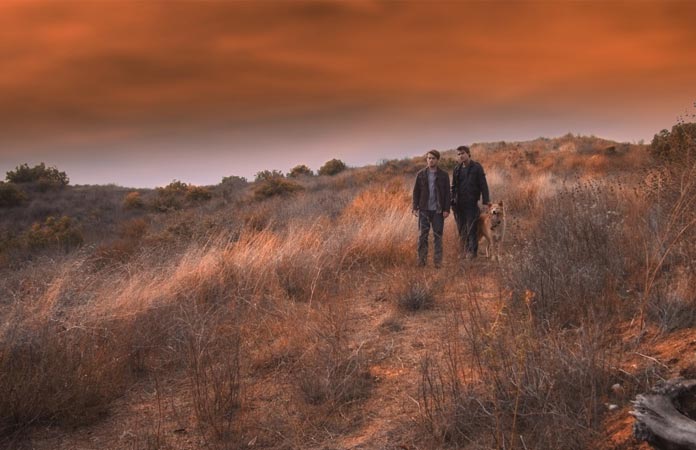
John Dies At The End is a remarkably original movie, even though it’s based on a novel. Director Don Coscarelli, who also adapted the screenplay, has merged several different, potentially conflicting styles— horror, comedy, sci fi—into a movie that resides firmly in its own universe(s).
Comments Off on DVD Review: John Dies At The End
Music Review: True Blood: Music From The HBO Original Series, Volume 4
Published on June 13th, 2013 in: Current Faves, Horror, Music, Music Reviews, Reviews, Soundtracks and Scores, TV |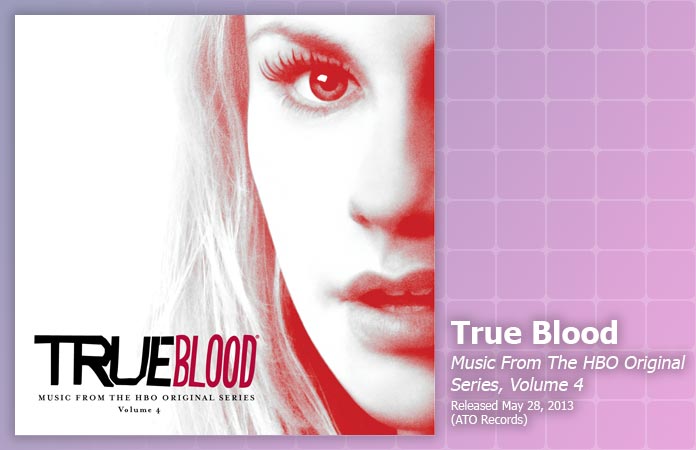
The latest installment of the True Blood soundtracks, True Blood: Music From the HBO Original Series, Volume 4, reinforces the idea that no matter how silly or bewildering or campy the show is (even in the best way), the soundtrack is invariably perfect. It’s listenable and enjoyable out of the context of the show, though if you want to reminisce about Alcide and Sookie getting their drink on, you can listen to “Let’s Boot And Rally” and remember that magical time as well. Or possibly remember any time that Alcide was shirtless. I digress.
Comments Off on Music Review: True Blood: Music From The HBO Original Series, Volume 4
Music Review: The Gap Band, Gap Band VII
Published on June 12th, 2013 in: Music, Music Reviews, Retrovirus, Reviews |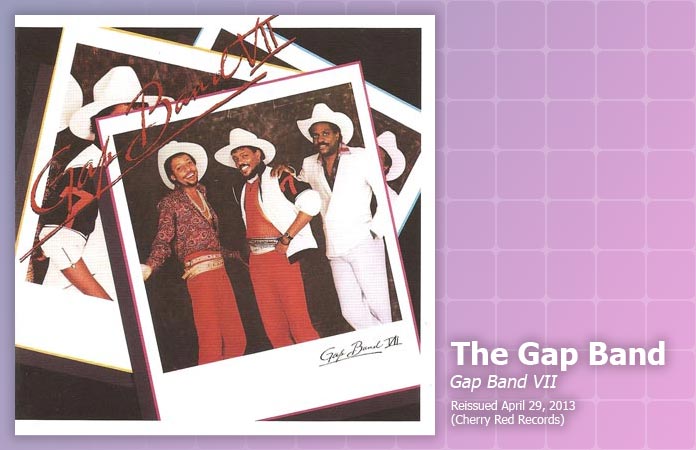
For the first time on CD and remastered like it’s spanking new, The Gap Band’s 1986 Gap Band VII, is a strange, unsatisfying blend of things. There are moments of pure brilliance and pleasure, and there are moments of uninspired insipidness. The moments of brilliance nearly make up for those. Nearly.
Comments Off on Music Review: The Gap Band, Gap Band VII
Music Review: CSS, Planta
Published on June 11th, 2013 in: Current Faves, Feminism, Music, Music Reviews, New Music Tuesday, Reviews |
Listening to the latest CSS album may inspire listeners to develop a vicarious crush on the object of the band’s affections. Washes of fizzy synths sound like the rush of dopamine one experiences while in the throes of infatuation, and the thumping, staccato rhythms pulse with exuberant energy.
Since their first album dropped in 2006, CSS have put their own spin on ’80s synth pop, investing the underrated genre with a sassy personality and a dollop of post-riot grrrl feminism. Compared to its predecessor, La Liberacion, Planta takes a more introspective lyrical approach, with songs that depict the giddy highs of falling in love and note the heartbreak of unrequited emotions. While the lyrics to individual songs might seem bratty and shallow, the album as a whole has such a desperate, obsessive quality that it comes off like the soundtrack to a film version of Orpheus and Eurydice as adapted by John Hughes.
Comments Off on Music Review: CSS, Planta
Music Review: British Electric Foundation, Dark – Music Of Quality And Distinction, Volume 3
Published on June 11th, 2013 in: Music, Music Reviews, New Music Tuesday, Reviews |By Emily Carney

BEF’s first volumes were released in the halcyon days of white-boy soul, respectively in 1980 (Music for Stowaways, 1982—Volume 1) and 1991 (Volume 2). BEF’s excursions into the world of pop-music covers encompassed Tina Turner (who did a version of “Ball of Confusion” in 1982 which pretty much still blows everything out of the water) and Heaven 17’s Glenn Gregory covering Glen Campbell’s country chestnut “Wichita Lineman.” Oh yeah, this “collective” is also basically Heaven 17, now sans Human League founder and legendary disappear-er Ian Craig Marsh.
Now it’s 2013, and BEF is back with a set of new covers. Dark pretty much mines old material with the same players, including Kim Wilde (who covers “Every Time I See You I Go Wild”), Andy Bell from Erasure (who covers Kate Bush’s “Breathing”), and Boy George (who does The Stooges’ “I Wanna Be Your Dog”), among others. There are a few newer artists on the disc, including Shingai Shoniwa of the Noisettes (whose version of “God Only Knows” is a godsend), but I wish the disc included more new artists and perhaps newer songs.
Dark is essential for BEF and Heaven 17 completists, but those interested in being introduced to this family of music should check out 1981’s Penthouse and Pavement and 1982’s Music of Quality and Distinction Volume 1 which remain amazingly undated. While some of the versions of songs on Dark are standouts (Kim Wilde’s song contains all the electronics snaps and beeps we expect from BEF), don’t expect an epiphany here.
Dark, the British Electric Foundation’s third volume, is out today through The End Records. For ordering information, visit the BEF website.
Comments Off on Music Review: British Electric Foundation, Dark – Music Of Quality And Distinction, Volume 3
Movie Review: Peaches Does Herself
Published on June 10th, 2013 in: Canadian Content, Current Faves, Feminism, LGBTQ, Movie Reviews, Movies, Music, Reviews, Teh Sex |
Photo © Angel Ceballos
You don’t need to know her music beforehand to “get” the new concert-cum-performance-art film from Peaches, but even fans will marvel at how accurately the songs in Peaches Does Herself tell the story, as if they were written expressly for the film. Furthermore, although the narrative is fairly simple, the concepts within it are complex, including sex, romance, gender, confusion, anger, and acceptance.
Comments Off on Movie Review: Peaches Does Herself
Movie Review: After Earth
Published on June 6th, 2013 in: Movie Reviews, Movies, Reviews, Science Fiction |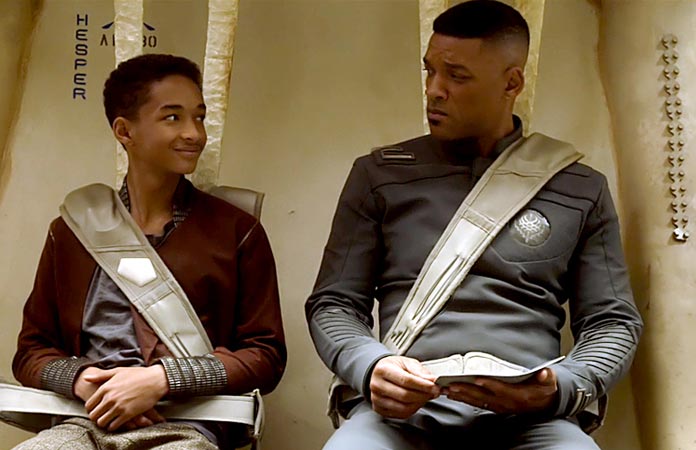
If you’ve been to any of the tentpole genre movies that have come out this summer (or even in the last year), you’ve probably seen ads for After Earth. This sci-fi vehicle features real-life father and son Will and Jaden Smith as Rangers who get stranded on a hostile Earth in the distant future. What you may not know, because the marketing downplayed it, is that it was directed and co-written by M Night Shyamalan, who was once lauded as a brilliant auteur but who has fallen into disfavor.
I never have been in the Shyamalan-hate camp. Like most people who saw it, I enjoyed The Sixth Sense, but I also enjoyed his other movies that I’ve seen. Signs and Unbreakable put a novel twist on the alien-invasion movie and the superhero movie, respectively, even if looking back on it, the big reveal in Unbreakable is kind of problematic. The Village had an interesting take on the post-9-11 security era, even though you rarely see that discussed. I even have an unreasonable love for the much-maligned Lady in the Water, although admittedly I’m a myth-geek who first encountered Joseph Campbell in grade school.
With all of that said I will admit that I haven’t yet seen The Last Airbender, The Happening, or Devil, which have as much to do with the sinking of Shyamalan’s stock as his earlier work. And After Earth is unlikely to be the movie that rehabilitates his reputation.
Comments Off on Movie Review: After Earth