Review: Master of None, Episode 4: “Indians on TV”
Published on November 26th, 2015 in: Comedy, Current Faves, Netflix Reviews, Reviews, TV, TV Reviews |By Tyler Hodg

It’s not hard to guess what the theme of Master of None’s fourth episode is when it has a title like “Indians On TV.” Writers Aziz Ansari and Alan Yang tackle cultural inaccuracies, and, well, blatant racism towards Indians in television and film.
Comments Off on Review: Master of None, Episode 4: “Indians on TV”
Music Review: Danzig, Skeletons
Published on November 25th, 2015 in: Current Faves, Music, Music Reviews, Reviews |By Tim Murr
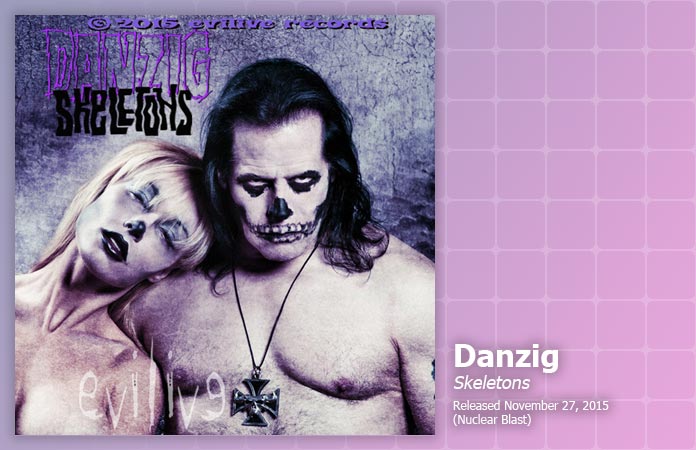
Glenn Danzig could have ended his career at any time in the last 30 years and still left an indelible mark across pop culture. Most artists don’t get one iconic band to front, much less three! From Misfits to Samhain to Danzig, Glenn has given the world some of the best albums in punk, goth, and metal, while always staying true to his rugged individualistic vision and not giving a fuck about trends.
Comments Off on Music Review: Danzig, Skeletons
TV Review: Master Of None, Episode 3: “Hot Ticket”
Published on November 25th, 2015 in: Comedy, Current Faves, Netflix Reviews, Reviews, TV, TV Reviews |By Tyler Hodg

“Hot Ticket” was the episode I hoped “Parents” would be. The third episode of Master of None has characters other than Dev (Aziz Ansari) resurfacing and the show starts to feel like it’s truly hitting its stride. Although the series still doesn’t have a completely concurrent narrative, “Hot Ticket” was a step in the right direction thanks to the reappearance of familiar faces.
Comments Off on TV Review: Master Of None, Episode 3: “Hot Ticket”
TV Review: Master of None, Episode 2: “Parents”
Published on November 24th, 2015 in: Comedy, Culture Shock, Current Faves, Netflix Reviews, Reviews, TV, TV Reviews |By Tyler Hodg

Two episodes in, Master of None is becoming very clear to me. It’s not a show about getting the cheap laugh (almost every Chuck Lorre sitcom, I’m looking at you), it’s about offering a healthy dose of wit, charm, and intelligence. While it appears very accessible on the outside, those looking for added layers of sophistication won’t need to search hard.
Comments Off on TV Review: Master of None, Episode 2: “Parents”
TV Review: Master of None, Episode 1: “Plan B”
Published on November 23rd, 2015 in: Comedy, Current Faves, Netflix Reviews, Reviews, TV, TV Reviews |By Tyler Hodg
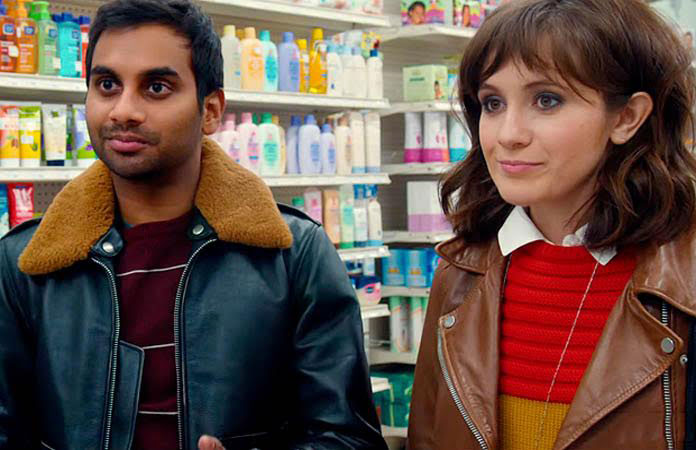
The latest Netflix show to be garnering high praise is Master of None, a comedy co-written by and starring the severely underrated Aziz Ansari. Through a ten-episode season, Ansari looks to break out from his Parks and Recreation shadow and prove he isn’t a one-trick pony.
Well, to be honest, this quest is completed in only one episode.
Music Review: Lee Michaels, Heighty Hi
Published on November 20th, 2015 in: Current Faves, Music, Music Reviews, Reissues, Retrovirus, Reviews |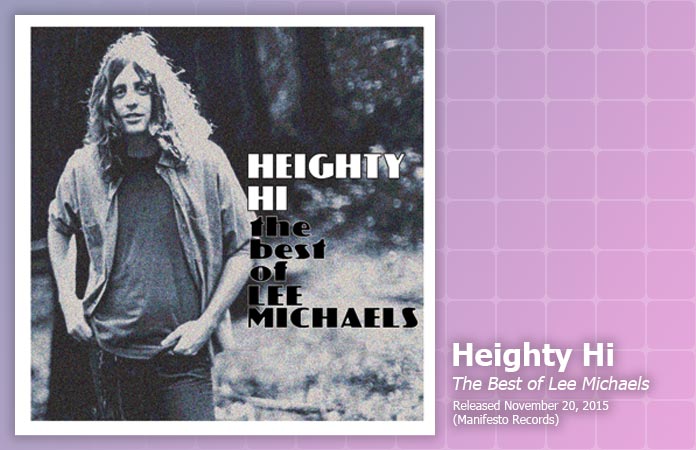
Is there a more intriguing story than an enormously talented, rock and roll recluse? The kind of artist that is so gifted, with a vision and unique sound, and he (or she) just walks away? Don’t you want to know why? What did they do after they stopped being famous? Does it make that person more exciting?
Concert Review: Fuzz at The Hoxton
Published on November 19th, 2015 in: Canadian Content, Concert Reviews, Current Faves, Music, Reviews |November 18, 2015
Toronto, ON
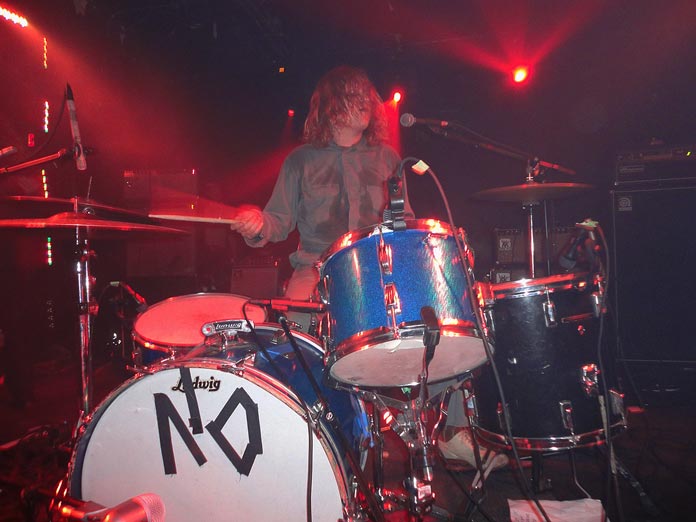
Last night’s Fuzz show at The Hoxton was full of surreal, sweaty shenanigans.
Comments Off on Concert Review: Fuzz at The Hoxton
DVD Review: I Need A Dodge! Joe Strummer On The Run
Published on November 17th, 2015 in: Current Faves, Documentaries, DVD, DVD/Blu-Ray Reviews, Movie Reviews, Movies, Music, Reviews |By Tim Murr

Everything I’ve watched or read about The Clash either ends with Mick Jones getting fired or just briefly mentions The Clash 2.0, where Joe Strummer and Paul Simonon pressed on with three new members and recorded the poorly received Cut The Crap. No cuts from the album were released on any boxset/collection. No overview was written about it in the big The Clash coffee table book from 2008. Strummer basically disowned it, as did most Clash fans. And deservedly so, it’s a bad album.
Comments Off on DVD Review: I Need A Dodge! Joe Strummer On The Run
Music Review: Buck ‘Em! The Music Of Buck Owens, Volume Two (1967-1975)
Published on November 16th, 2015 in: Current Faves, Music, Music Reviews, Reissues, Retrovirus, Reviews |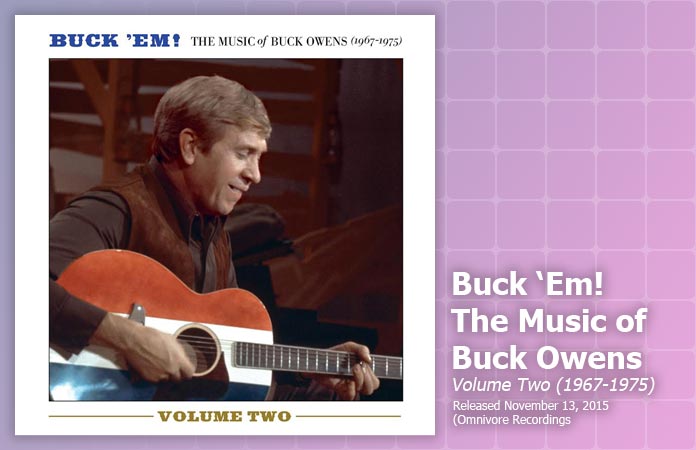
“Would we still be talking about Buck Owens if it weren’t for Hee Haw?” I was asked recently and have spent an inordinate amount of time mulling over the answer. The answer, of course, is maybe. Hee Haw was an amazing music delivery system, imbuing Buck’s image with a family-friendly, easily accessible shorthand: he’s that smiling guy on TV every week with his Buckaroos and the pretty girls and Grandpa Jones and Roy Clark, and he’s kind of funny with his dad jokes, and he makes some catchy tunes. You think (if you’ve spent time watching Hee Haw) about what Buck Owens looked like, which, in an pre-MTV/CMTV videos era, is pretty spectacular. You can conjure up what he looks like playing his American flag striped guitar, you know what the Buckaroos look like, you can see Don Rich smiling in your mind’s eye.
Comments Off on Music Review: Buck ‘Em! The Music Of Buck Owens, Volume Two (1967-1975)
Music Review: Fuzz, II
Published on November 13th, 2015 in: Current Faves, Music, Music Reviews, Reviews |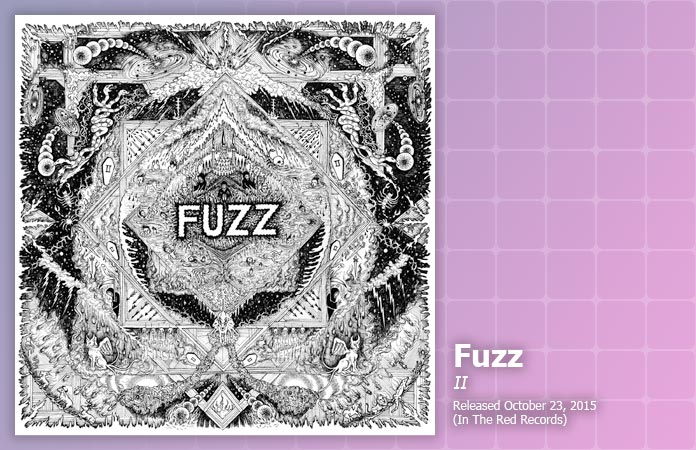
The first album from Fuzz (review) was a stoner rock delight, all guitar solos and epic jams. The latest, the succinctly titled II, is more of the same, but bigger, better, and more bodacious. Since then, member Ty Segall has released his most accomplished album yet (2014’s Manipulator) and the effects of an astonishing improvement in songcraft shows on this album. If you like epic jams or if you want some serious hooks mixed with your stoner rock, Fuzz is just what you’ve been waiting for.
Comments Off on Music Review: Fuzz, II