Music Review: Perry Como, Just Out Of Reach – Rarities From Nashville Produced By Chet Atkins
Published on November 1st, 2013 in: Current Faves, Music, Music Reviews, Retrovirus, Reviews |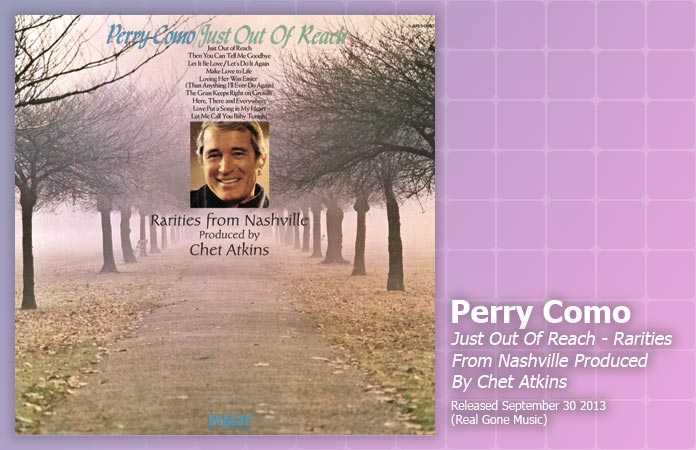
Some days, Sundays in particular, all I really want is the musical equivalent of a fluffy blanket and a nice cup of tea. Real Gone Music’s new Perry Como release, Just Out Of Reach—Rarities From Nashville Produced By Chet Atkins is a CD full of fluffy blankets and cups of tea: soothing and warm and pleasant.
Perry Como had a musical career for over 50 years. His natural, easy singing style served him well as he performed in a variety of vocal genres. When the British Invasion hit the US shores, though, Como went through a two-year dry period in which he didn’t record. Heads of his label, RCA, concocted a plan to alleviate that and enlisted Chet Atkins to help “smooth the edges of country music” to make it more palatable in the pop world and for Como. The result was the successful The Scene Changes, providing Como with his biggest selling album in years. Not content to rest on their laurels, RCA again joined Atkins and Como together in Nashville for another stab at country/pop crossover glory, and the result of that is Just Out Of Reach.
Comments Off on Music Review: Perry Como, Just Out Of Reach – Rarities From Nashville Produced By Chet Atkins
Blu-Ray Review: The Amityville Horror Trilogy
Published on October 31st, 2013 in: Current Faves, DVD/Blu-Ray Reviews, Horror, Movie Reviews, Movies, Retrovirus, Reviews |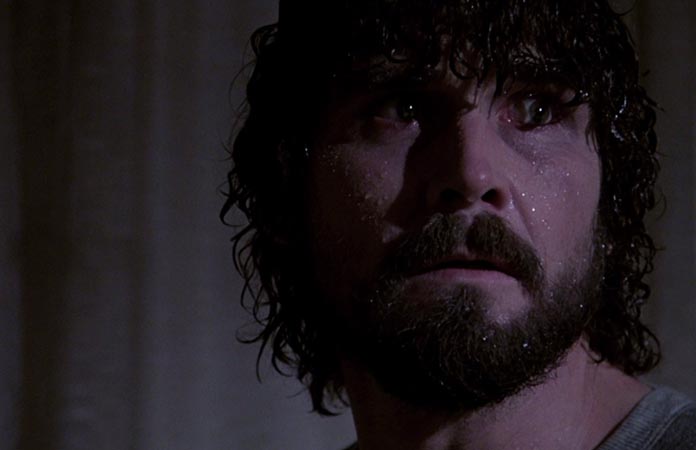
The Amityville incident is, to this day, one of the most widely known supernatural occurrences. Whether or not you believe what the Lutz family says happened in that house, you have to admit the story itself is terrifying. I’m one of those people who believe that something did happen in that house during their month stay at 112 Ocean Avenue. I certainly don’t believe everything that George Lutz says happened, but I do believe certain parts they have claimed.
After they left the house, their story became quickly and widely known and they were interviewed by just about every major network of the time. Shortly after their story came out, Hollywood saw a perfect opportunity to make some cash and The Amityville Horror was born.
Comments Off on Blu-Ray Review: The Amityville Horror Trilogy
Blu-Ray Review: Halloween: 35th Anniversary Edition
Published on October 31st, 2013 in: Blu-Ray, Current Faves, DVD/Blu-Ray Reviews, Halloween, Horror, Movie Reviews, Movies, Reviews |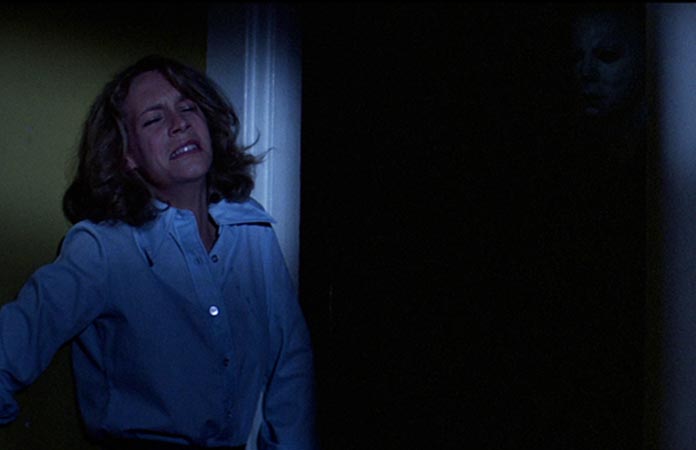
As one of the most iconic horror movies ever—and certainly the most iconic Halloween horror movie ever—it’s hard to believe that there are still those (of a tender age) who haven’t seen the original Halloween, only seen it edited for TV, or via clips on YouTube. The new 35th Anniversary Edition, now on Blu-Ray from Anchor Bay, means, however, that there is no longer any excuse.
Comments Off on Blu-Ray Review: Halloween: 35th Anniversary Edition
DVD Review: Bob And The Monster: The Story Of Bob Forrest
Published on October 30th, 2013 in: Current Faves, Documentaries, DVD, DVD/Blu-Ray Reviews, Movie Reviews, Movies, Music, Reviews |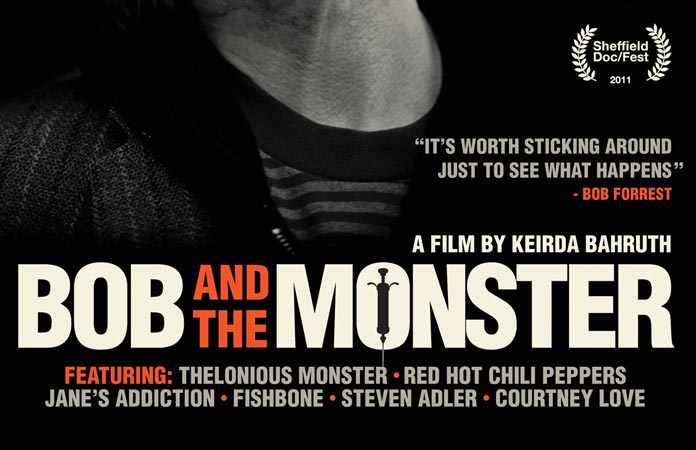
How does a man go from being self-described as one of the “biggest assholes ever to live” to being credited with saving numerous lives as a drug counselor? How did he go from leading L.A.’s premier “drunk rock” band to being the subject of a moving, thoughtful documentary in which music’s luminaries eulogize him warmly without him even being dead?
First, Bob Forrest did a lot of drugs. Then, he hit rock bottom. Then, he did some more drugs and had to hit rock bottom again. Eventually, he rebuilt himself into a sometimes respected, sometimes controversial addiction specialist.
Director Keirda Bahruth spent six years making Bob And The Monster, a documentary of Bob Forrest’s journey of addiction and redemption. Told with archival footage, claymation, and animation, as well as new music from Bob Forrest, it’s a touching, sometimes infuriating, and illuminating movie.
Comments Off on DVD Review: Bob And The Monster: The Story Of Bob Forrest
Music Review: Jace Everett, Terra Rosa
Published on October 29th, 2013 in: Current Faves, Music, Music Reviews, New Music Tuesday, Reviews |
Not content to be known solely for the theme to True Blood, Jace Everett has recorded a wildly ambitious, brave album based loosely on Biblical stories. Lest that turn you off, they’re opaquely Biblical, and not preachy. They’re personal examinations of sin and strength. And they’re quite good. I will admit, as a heathen, that I puzzled over what stories the songs were about, drawing on my childhood Sunday school attendance. I came up short on most of them. That didn’t affect my enjoyment of the record, but it did make me listen harder and write down snippets of lyrics to decipher later. Which I didn’t.
Comments Off on Music Review: Jace Everett, Terra Rosa
Music Review: Mind & Matter, 1514 Oliver Avenue (Basement)
Published on October 29th, 2013 in: Current Faves, Music, Music Reviews, New Music Tuesday, Retrovirus, Reviews |By Paul Casey
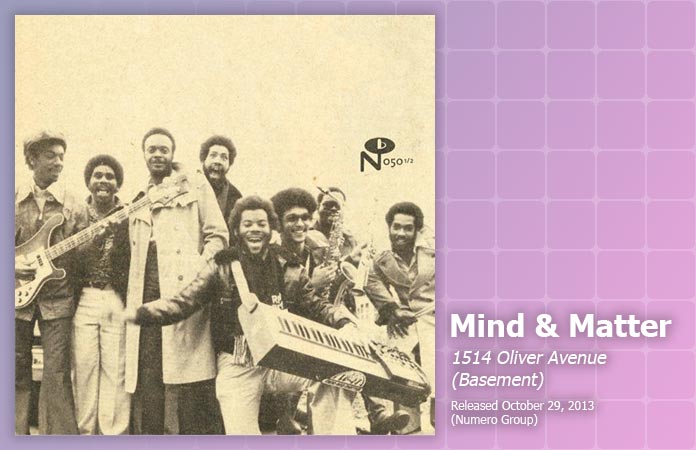
Jimmy Jam is half of one of the most important production teams of the last few decades. As discussed earlier this year, Jimmy Jam and Terry Lewis were probably the most talented people to be connected to Prince. Although both were more than capable of writing, producing, and performing on their own albums, their input on The Time was largely restricted to live shows. Their ability to work outside of Prince’s insecure and restrictive system would lead to their exit from the band and push them to become the hit-making powerhouses of the 1980s and 1990s, leading Janet Jackson to nine number ones.
Comments Off on Music Review: Mind & Matter, 1514 Oliver Avenue (Basement)
Music Review: Patti Page, The Complete Columbia Singles 1962-1970
Published on October 29th, 2013 in: Current Faves, Feminism, Music, Music Reviews, New Music Tuesday, Retrovirus, Reviews |
The fine folks at Real Gone Music have released a definitive compendium of Patti Page records recently. The Complete Columbia Singles 1962-1970 does just what it says on the tin, and paints a portrait of an artist who was prolific and gifted, having a career that spanned seven decades. The photo of Patti Page on the front cover is strikingly beautiful and inside is a two-disc set with copious liner notes that mark the date of release of each song and their various chart positions.
While Page was ubiquitous on the Billboard charts in the 1950s, being the #2 artist of that decade, the liner notes caution us to not think of her in that way solely. In the ’60s and ’70s, she branched out, charting numerous times on the Easy Listening charts as well as the Country charts. The Complete Columbia Singles covers many of those hits.
Comments Off on Music Review: Patti Page, The Complete Columbia Singles 1962-1970
Music Review: Patti Page, From Nashville to L.A. – Lost Columbia Masters 1963-1969
Published on October 29th, 2013 in: Current Faves, Feminism, Music, Music Reviews, New Music Tuesday, Retrovirus, Reviews |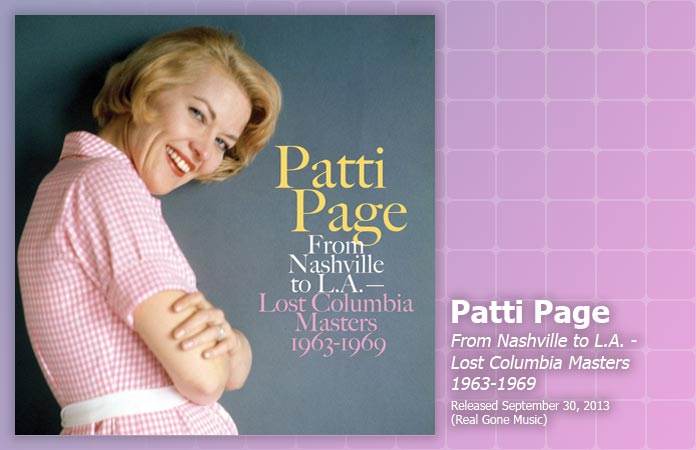
The new Patti Page release From Nashville To L.A.—Lost Columbia Masters 1963-1969 is comprised of unreleased masters from recording sessions in the 1960s. In those days, recording sessions consisted of laying down several tracks in a span of three or so hours, usually three or four songs live with an orchestra. The most commercial pieces would be put out as singles, others would be used as B-sides or album tracks, but there would almost always be songs that didn’t meet either criteria. From 1962-1970, Patti Page recorded almost 200 songs for Columbia. Fifty or so were singles; many were on albums. These leftovers, in no way inferior, are being released on From Nashville To L.A. for the first time.
Comments Off on Music Review: Patti Page, From Nashville to L.A. – Lost Columbia Masters 1963-1969
Music Review: Rene Lopez, Let’s Be Strangers Again EP
Published on October 28th, 2013 in: Current Faves, Music, Music Reviews, Reviews |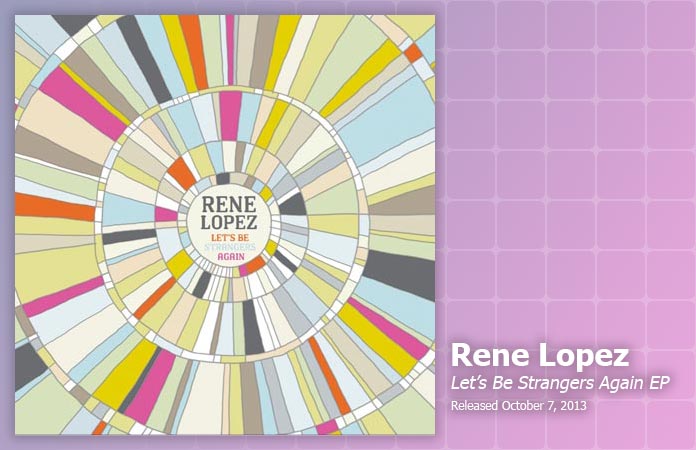
Could Rene Lopez be headed for Broadway? A cursory listen to his EP, Let’s Be Strangers Again, suggests a passing familiarity with contemporary show tunes. He writes songs with melodies so memorable you’ll be singing along and dancing down the street before the song has ended. His strong, sure baritone ably catches the ear, and his songs encompass conga drums, polyrhythms, and horn charts that suggest both Fania and 42nd Street. The slick yet straightforward production gives the album an inviting sound.
Comments Off on Music Review: Rene Lopez, Let’s Be Strangers Again EP
Music Review: Various Artists, The Dawn Of Psychedelia
Published on October 24th, 2013 in: Culture Shock, Current Faves, Music, Music Reviews, Retrovirus, Reviews |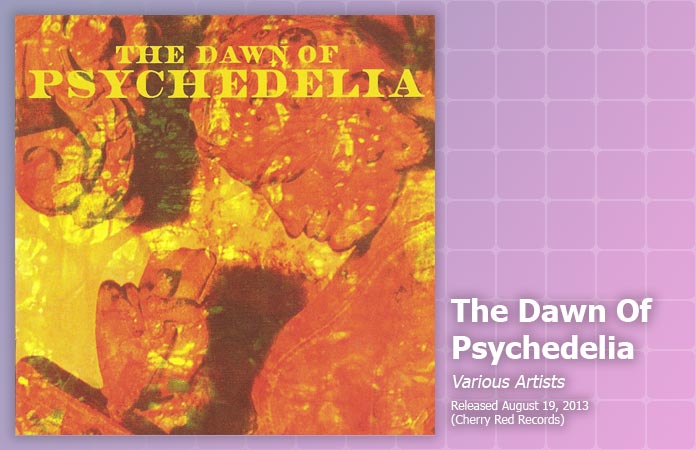
After listening to Cherry Red Records’ vast two-CD set The Dawn Of Psychedelia, I feel that I can say without a doubt that the humble flute launched the psychedelic revolution. Or possibly the sitar. Or a combination of both.
The Dawn Of Psychedelia attempts to trace back the origins of the Aquarian Age that defined the music of the ’60s. Sometimes, it hits the nail on the head. Other times, it sounds a bit like filler.
Comments Off on Music Review: Various Artists, The Dawn Of Psychedelia