Movie Review: Charles Bradley: Soul Of America
Published on May 31st, 2013 in: Current Faves, Documentaries, Movie Reviews, Movies, Music |
To Charles Bradley, the American dream felt particularly elusive. “I’ve been struggling for 42 years to make it in the [music] industry,” he states at the beginning of the new documentary bearing his name. It’s difficult to believe that someone could keep the faith for so long without becoming bitter or angry, or just giving up. Yet as Soul of America reveals, this is exactly what has happened to Charles Bradley.
Comments Off on Movie Review: Charles Bradley: Soul Of America
Music Review: King Tuff, Was Dead
Published on May 31st, 2013 in: Current Faves, Music, Music Reviews, Reviews |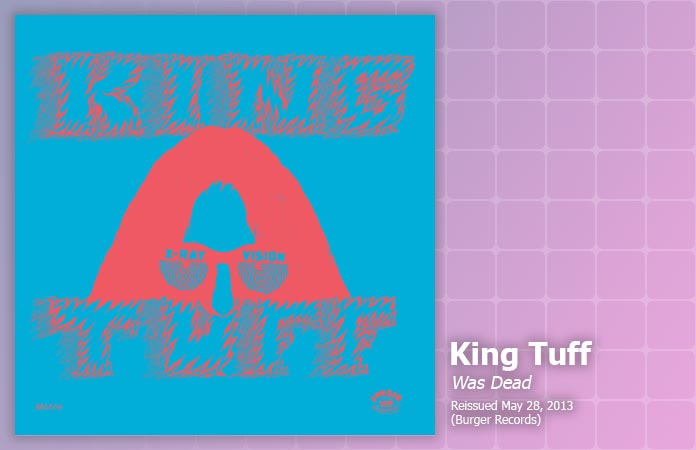
Burger Records is synonymous with fun. The last two releases from the label I reviewed were incredibly fun and their reissue of King Tuff’s Was Dead is no exception.
Originally released in 2008 on Tee Pee Records as a limited edition on vinyl only, Was Dead was out of print for several years before this reissue. Fans who missed out will be overjoyed while those who haven’t yet dipped their toes into King Tuff’s pool party are in for a treat.
Comments Off on Music Review: King Tuff, Was Dead
Waxing Nostalgic: METAL MAYHEM! with Spinal Tap, This Is Spinal Tap
Published on May 29th, 2013 in: Music, Waxing Nostalgic |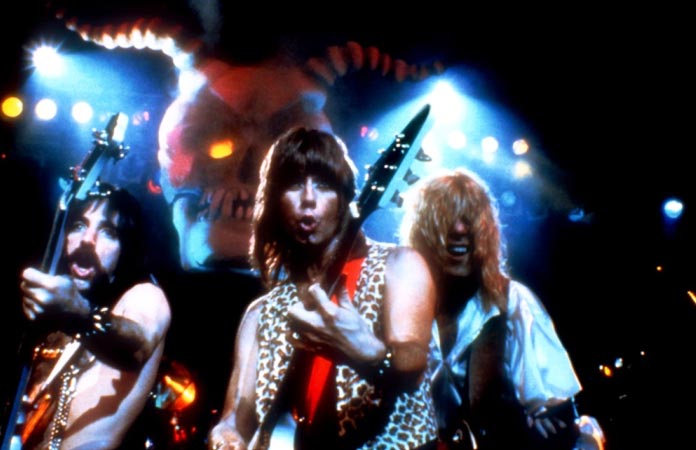
I’m prepared to catch hell for this, but I believe that no band, and no album, captured the true spirit of the Hair Band era than Spinal Tap. All the excesses, all the tropes, and all the energy and exuberance are captured on their first album, This is Spinal Tap. I also believe they are often overlooked when discussing Eighties Metal when, really, they should be hailed as one of the best examples of the genre.
“But, X . . . ” people say, ” . . . they’re a joke band. It was supposed to be funny.”
Oh, they’re extremely funny. That’s undeniable. But I can’t consider them a “joke” band. All three main members (actors/comedians Christopher Guest, Michael McKean, and Harry Shearer) played their own instruments. I don’t think anyone would have complained if these funny guys had pulled in session players, but they didn’t. They played live. They toured. They showed a genuine appreciation for the genre. Who loves rock and roll more: Guns ‘n’ Roses, with their 20 years between albums and absolute disdain for their audience, or Spinal Tap?
Your heart knows the answer.
Comments Off on Waxing Nostalgic: METAL MAYHEM! with Spinal Tap, This Is Spinal Tap
Music Review: Hot Club Of Cowton, Rendezvous In Rhythm
Published on May 28th, 2013 in: Music, Music Reviews, New Music Tuesday, Reviews |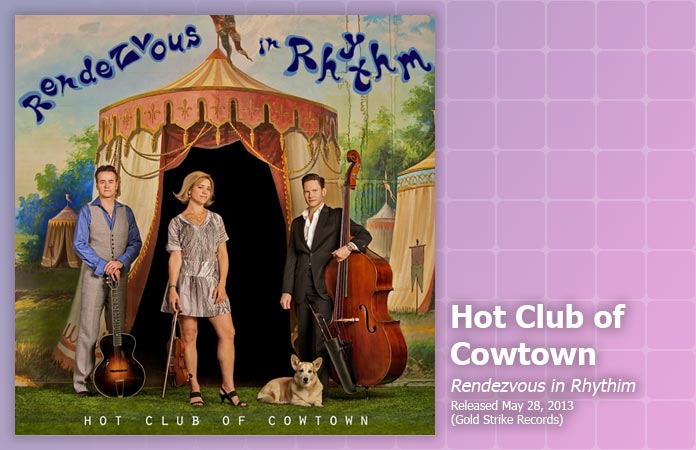
The cover drew me in.
The playful sleeve art for Rendezvous in Rhythm spoke to the part of me that loves flappers and circuses. I loved the hand painted, Belle Epoque-esque lettering, the trompe l’oeil circus tents, and the doleful corgi. The men and woman of Hot Club of Cowtown looked as though they’d stepped out of a 1930s musical, the gentlemen in natty suits and ties and the lady clad in a silver dress worthy of Clara Bow. Reading the description of the Hot Club’s sound put me in mind of my beloved Pink Martini, who has likewise reinvented early 20th century music for a contemporary audience, and I anticipated discovering a new band with a classic sound.
Comments Off on Music Review: Hot Club Of Cowton, Rendezvous In Rhythm
Waxing Nostalgic: METAL MAYHEM! with Iron Maiden
Published on May 27th, 2013 in: Music, Waxing Nostalgic |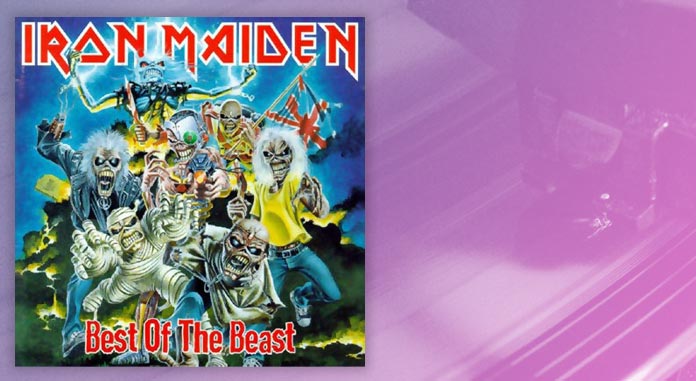
Are the Metal Kids still a thing? I don’t know, because I’m not in high school. My son listens to metal, but there are so many different kinds of metal now, I can’t tell what he’s into from week to week. Bands like Aversion’s Crown or Sutekh Hexen with unreadable logos that look like lightning blood and vocals all growls and squeals, like a Deliverance fan convention.
In 1986, I had to take a home economics class. It had the potential to be bad. We were divided into groups of four, all seated at the same table. I was the new wave/punk/goth kid (because you could be all of those things at the same time in the Eighties) and I was placed with the Metal Kids. I was terrified. These were the pothead kids, the ones who got into fights after school, the ones that probably carried switchblades. They also listened to Metallica, a band I had never listened to because their name sound like a terrible factory where babies were crushed into a fine powdery substance called cocaine.
I knew they listened to Metallica because they had the logo copied perfectly onto their Trapper Keepers and notebooks. They also had the Judas Priest logo, transcribed exactly. How did they do that? Were the Metal Kids draftsmen on the side? And why do they all listen to this band called Iron Maiden?
Music Review: Davell Crawford, My Gift To You
Published on May 23rd, 2013 in: Current Faves, Music, Music Reviews, Reviews |
I don’t know that I’ve ever been brought to tears by a piano piece. Davell Crawford has changed that. On his intensely personal album My Gift To You, the “Piano Prince of New Orleans” lives up to his nickname, and his performance of “Southern Nights/Many Rivers To Cross,” the marriage of an Allen Toussaint song to a Jimmy Cliff song, is transcendent. I cried. It felt like a gift to hear it.
Davell Crawford hadn’t released an album in 13 years. It must have been time well spent, because My Gift To You is simply extraordinary. He changes effortlessly between styles; jazz, funk, Louisiana low country music, and does it all so well. He surrounds himself with a who’s who of contemporary New Orleans musicians. The liner notes alone are worth the price of the record—they are witty and interesting, and give even more insight into the clever Mr. Crawford.
New Video: David Bowie, “The Next Day”
Published on May 23rd, 2013 in: Current Faves, Music, Video |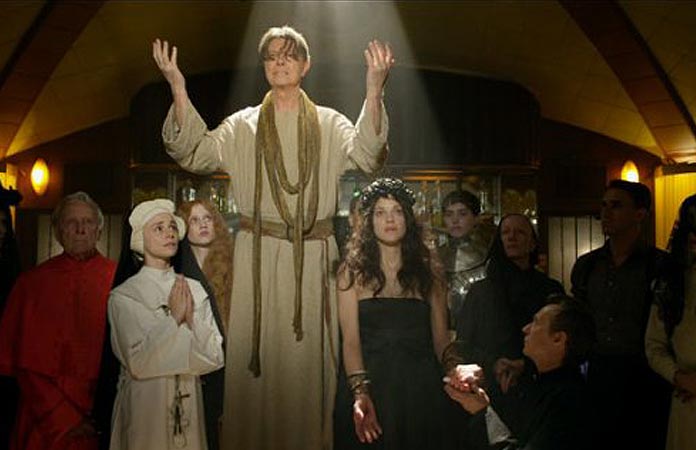
I have no idea how this didn’t make it onto my radar until last week. The second single from David Bowie‘s fine new album The Next Day—and the third video—is the title track.
With lines like “they whip him through the streets and alleys” and “they know God exists for the Devil told them so,” it’s not a stretch to imagine that said video might feature some religious iconography and controversy. With Bowie the boundary pusher, you’re guaranteed excesses of both.
Not having seen videos like “Boys Keep Swinging” and “D.J.” until the early ’80s on MTV, I can’t say firsthand what kind of stir they caused in the late ’70s, but they certainly caused a stirring within me.
Floria Sigismondi, who directed “The Stars (Come Out Tonight),” also helmed “The Next Day” video and it’s not dissimilar to a Caravaggio painting come to life, with a bit of Ken Russell for good measure.
I’d also argue that Sigismondi got more than a little inspiration from the 1970 Czech film Valerie and Her Week of Wonders, which I’ve not been lucky enough to see, but which I’ve certainly enjoyed through numerous images online.
In “The Next Day” we have Gary Oldman as a lusty priest with a ducktail haircut and Marion Cotillard as a quasi-Mary Magdalene character in a bustier. One might consider Bowie and his linen smock and glittery scarf to be Jesus. From Pontius Pilate to Jesus: what a career!
The nightclub in which this takes place is The Decameron, either a reference to Boccaccio’s medieval allegory, the 1971 Pasolini film based on the allegory, or both. St. Lucy makes an appearance and so does Joan of Arc.
It’s gory, gorgeous, and decidedly not safe for work. Enjoy.
Comments Off on New Video: David Bowie, “The Next Day”
Music Review: Iggy and The Stooges, Ready To Die
Published on May 23rd, 2013 in: Current Faves, Music, Music Reviews, Reviews |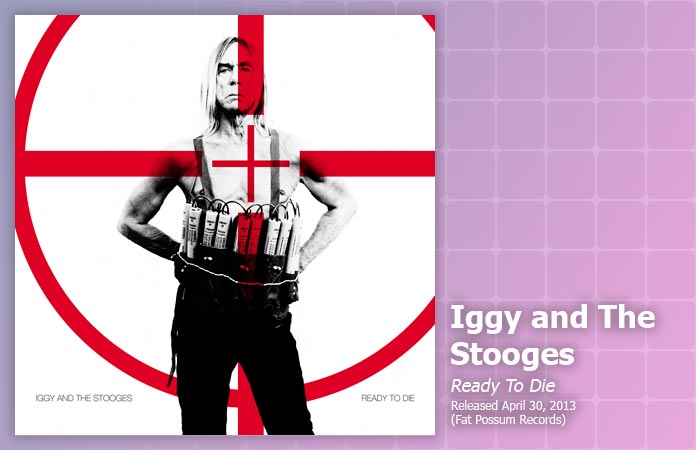
Every time I write a review of something Iggy Pop or Stooges-related, I feel obligated to provide some sort of context, to explain why these old dudes are still important to me and why they should be important to everyone else. With Ready To Die, the latest from Iggy and The Stooges, I’m not sure that context is needed. It’s just that good of an album. Besides, if you haven’t liked Iggy’s or The Stooges’ music over the last four decades, there’s probably no hope for you, anyway.
Although Iggy himself is fairly prolific, actual Stooges albums are scarce, which makes their legendary status all the more impressive. This particular incarnation of the band includes Iggy, Scott Asheton on drums, James Williamson on guitar, Steve Mackay on sax, and Mike Watt on bass. (Frequent Stooges auxiliary member Scott Thurston also appears on a track.) With the untimely, much-lamented death of Scott’s brother Ron in 2009, this is as close to a bona fide reunion as we’re going to get now.
Comments Off on Music Review: Iggy and The Stooges, Ready To Die
Waxing Nostalgic: METAL MAYHEM! with Ratt, “Lack of Communication”
Published on May 22nd, 2013 in: Music, Waxing Nostalgic |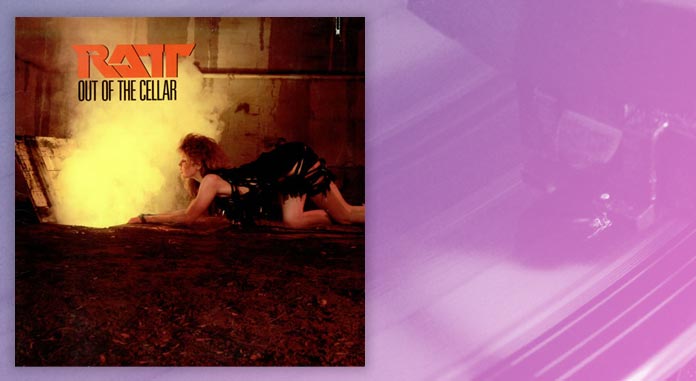
The second and final time I saw Billy Squier was at, again, the Cincinnati Gardens. He was a giant star by that time, with videos on MTV and albums that smelled like gold and platinum. He looked like a combination of Michael Beck, Michael Paré, and Jim Morrison. Girls noticed this, like they do, propelling Squier to sex symbol status. He used this to his advantage, too, particularly with this video. Ripped T-shirt, crawling around on the floor like some particularly rabid Tennessee Williams character, Squier had it all.
Even though some had relegated Squier to the realm of “girly rock,” I was a true believer, an old-school hardcore fan. When he came back town, I was ready for a good show. He was headlining, which was exciting, because I was ready for more than 45 minutes from one of my favorite musicians.
Squier’s light show was top-notch. His band was tight. Billy seemed a little off, though. The voice quavered a bit. The hands on the guitar neck seemed a little lax. I was confused. I wasn’t sure why the show seemed out of whack when it occurred to me: he didn’t care anymore.
Comments Off on Waxing Nostalgic: METAL MAYHEM! with Ratt, “Lack of Communication”
Music Review: Marty Robbins: The Legend/Come Back To Me (Reissue)
Published on May 21st, 2013 in: Current Faves, Music, Music Reviews, Reviews |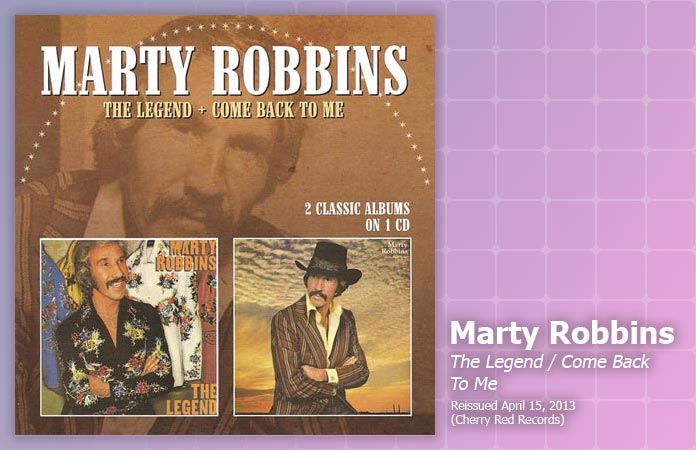
You’ve got to love a guy who explains the title of his album The Legend this way: “What I wanted was Super Legend, but they didn’t go along with it, so it’s just The Legend.” Released for the first time on CD, Marty Robbins’s 1981 album of that modest title has been paired with his 1982 record, Come Back To Me.
Comments Off on Music Review: Marty Robbins: The Legend/Come Back To Me (Reissue)