Hungry For Love, Part 5: 15 More Cringe-Inducing Videos
Published on October 10th, 2013 in: Music, Retrovirus, Video |By Julie Finley

This is the fifth installment of a series of visual and aural assaults found on the web. My partner, Jim R. Clark, wrote the first four but since I am currently crippled due to a massive herniated disc in my lumbar region (and I go in for surgery soon), I have a laptop, and a lot of free time on my hands. I have taken the over the reins on this chapter, but to be fair, both of us have found these various videos in this collection. There are no specific genres here; this is crap culled from every toilet bowl!
Concert Review: Goblin with Secret Chiefs 3 at The Orange Peel
Published on October 9th, 2013 in: Concert Reviews, Horror, Movies, Music, Obituary, Reviews, Soundtracks and Scores |By Jeffery X Martin
All photos by Hannah Martin
Asheville, NC
October 3, 2013

It takes a special kind of nerd to drive to a different state to see a band best known for their soundtracks for horror movies directed by one guy, mostly, and they’re all Italian. This is a niche, you understand. It isn’t like saying, “Oh, we’re going to see Lynyrd Skynyrd.”
Being a Goblin fan takes commitment.
When Goblin played the Orange Peel in Asheville, NC on October 3, it was the second night of their first North American tour ever. This is a band that’s been around over 40 years. For horror score fans, this was Geek Zeppelin.
Comments Off on Concert Review: Goblin with Secret Chiefs 3 at The Orange Peel
Waxing Nostalgic Connecting The Dots: Al Stewart, “Year of the Cat”
Published on October 9th, 2013 in: Music, Waxing Nostalgic |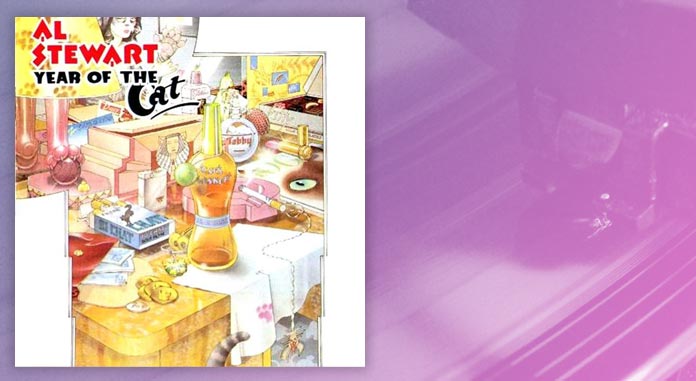
At the age of eight, I stopped hearing music and began actively listening to it. Matching artists with their music became a thing of great importance. I needed to know lyrics. I began learning the names of everyone in a band, not just the attention-hogging lead singer. It was the next phase in becoming a real music fan. I wanted to listen to as much music as I could, as many different kinds as possible and all of it, faster than now.
At that age, I developed more fears than I conquered. There were certain songs that, for reasons difficult to pinpoint and harder to explain, scared me. My abandonment issues and fear of sounds in the night were blooming like nightshade. My love of music corresponded with that and mirrored it. Good thing I didn’t collect creepy porcelain dolls.
This brings us, strangely enough, to Al Stewart’s seven-minute pop opus, “Year of the Cat.” The song is a weird fusion of smooth jazz and progressive pop. The lush orchestration belies the stark piano part that takes the spotlight shyly, almost with embarrassment. This is secret music, played from far away.
Comments Off on Waxing Nostalgic Connecting The Dots: Al Stewart, “Year of the Cat”
Music Review: Electric Six, Mustang
Published on October 8th, 2013 in: Current Faves, Music, Music Reviews, New Music Tuesday, Reviews |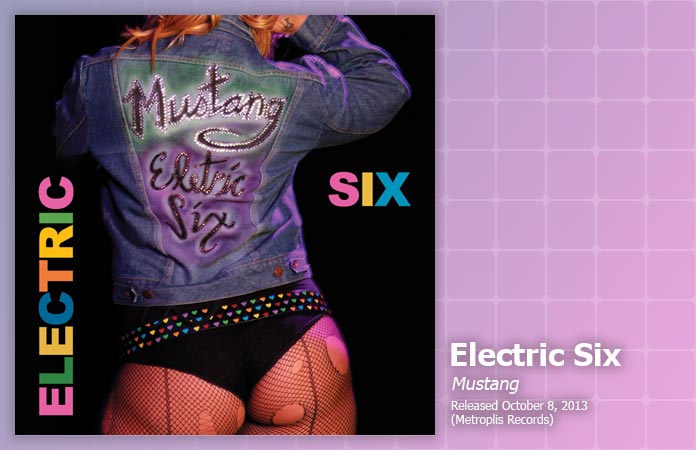
Are you imagined or real?
Or somewhere in between?
—Electric Six, “Show Me What Your Lights Mean”
How do you solve an enigma like Electric Six? The unflattering, often condescending reviews of their albums seem to indicate that music critics only listen to them once or twice before discounting them altogether. I hate to bring up the song that rhymes with “Ray Jar,” but not because it’s a bad song. After all, it does bring legions of fans to their shows (though they frequently are, admittedly, drunken and annoying bros who don’t seem to grasp that the band traffics in irony just as well as it does in impossibly addictive music). Yet it illustrates what most people think of when they think of Electric Six. It’s sort of like describing James Spader as “that guy who was in Pretty In Pink.”
Keep in mind this next statement comes from a diehard, committed fan: Electric Six albums are almost always immediately off-putting and it’s only after listening to them several times that their insidious brilliance wraps itself around you like a mental illness. Mustang is no different, but it’s not Fire, Part 9 by any means.
Comments Off on Music Review: Electric Six, Mustang
Music Review: Alex Chilton, Electricity By Candlelight
Published on October 7th, 2013 in: Current Faves, Music, Music Reviews, Retrovirus, Reviews |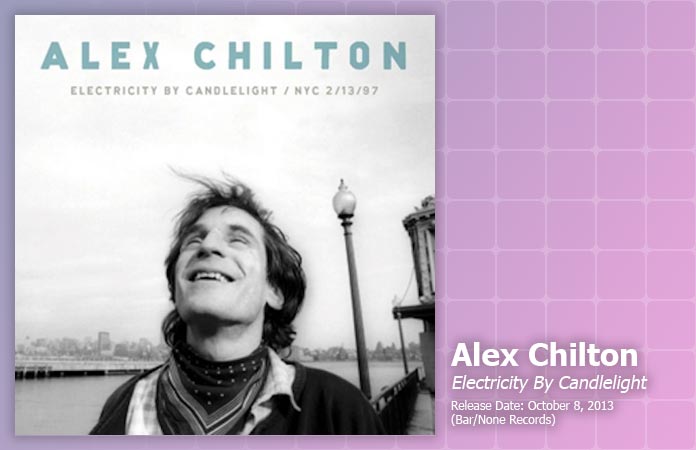
Electricity By Candlelight is the kind of record that music nerds dream of. Imagine your favorite musician playing an acoustic set of his favorite songs, things by the artists who influenced him, to a very intimate, engaged crowd. Imagine that he is playing in a venue where a storm has knocked out the electricity, and he’s playing in a nearly pitch black room, illuminated by only three table candles. And you have had the foresight to bring your trusty tape recorder, which is great, because if you hadn’t documented it, no one would believe it even happened.
Music Review: Seasick Steve, Hubcap Music
Published on October 7th, 2013 in: Current Faves, Music, Music Reviews, Reviews |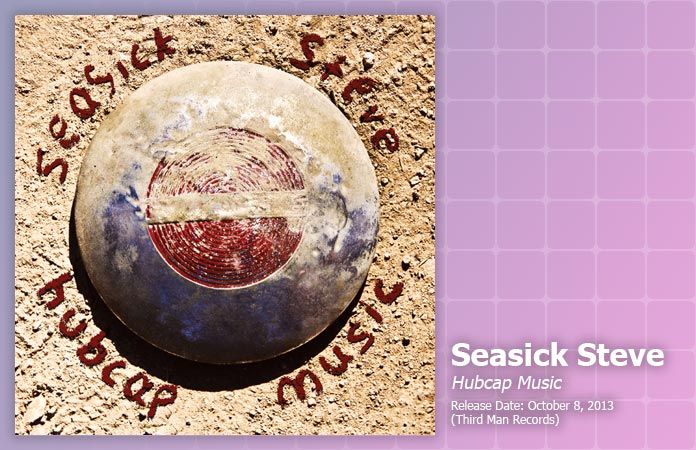
Seasick Steve is an analog man in a digital world. He makes guitars out of hubcaps and garden implements, and makes rustic, bluesy music that feels pulled from the earth itself. The irony here is that I only have his music digitally, save for a 45 that I probably should play on a hamster powered Victrola.
Hubcap Music is Seasick Steve’s second album for Third Man Records, and he’s a perfect fit for Jack White’s label. He’s doing something different and interesting, and it’s fascinating. Besides, Hubcap Music begins and ends with the sound of a tractor, and how could that be anything but interesting?
Comments Off on Music Review: Seasick Steve, Hubcap Music
Music Review: Joe Tex, Bumps & Bruises
Published on October 7th, 2013 in: Current Faves, Music, Music Reviews, Retrovirus, Reviews |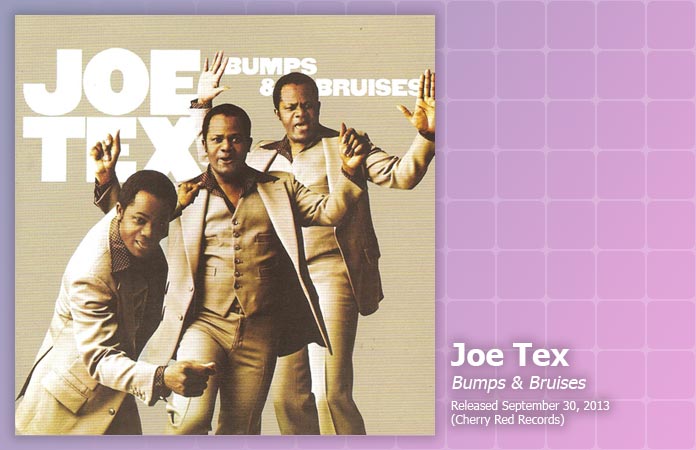
For a while, Joe Tex billed himself as “The Clown Prince Of Soul.” He was a gifted mimic and on one occasion, annoyed James Brown so badly that Brown tracked Tex to a club and shot it up while Joe Tex hid outside. That part isn’t so funny. The collection of songs on BBR’s reissue of 1977’s Bumps & Bruises, however, is often hilarious.
Joe Tex converted to Islam at the height of his career, while still riding high from 1972’s chart success of “I Gotcha.” He quit recording for five years and came back during disco fever. Bumps & Bruises is disco filtered through Tex’s unique sense of humor and funk.
Comments Off on Music Review: Joe Tex, Bumps & Bruises
Music Review: After The Ice, Thick Snow Magic EP
Published on October 5th, 2013 in: Current Faves, Music, Music Reviews, Reviews |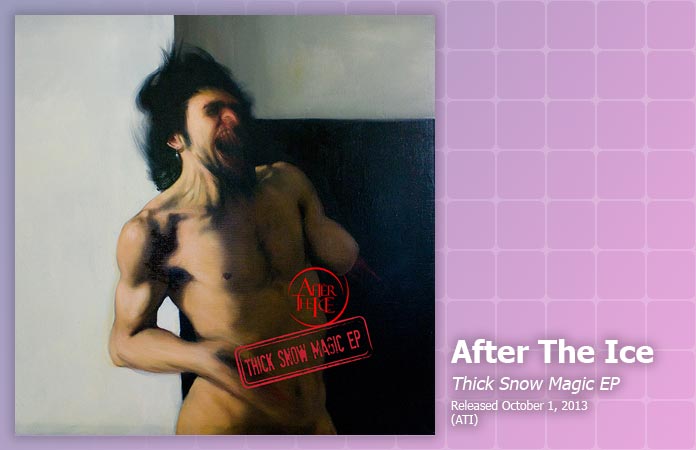
It isn’t often that a band like After The Ice comes my way, so when it happens, it is the best kind of surprise. Their new EP, Thick Snow Magic, starts with a tight, classic metal sound but subtly transforms into something more akin to Radiohead, and then back again to metal. What’s most remarkable is that the shift doesn’t feel abrupt but completely natural.
With a sound like theirs, it’s even more impressive that After The Ice is just a trio, comprised of singer/guitarist Paul Lisak, drummer Tomek-Tomek, and bassist Hamzah Bashir. Lisak has an amazing metal wail and a terrific vibrato but he doesn’t overuse either. Oh, and his guitar licks are hot.
Comments Off on Music Review: After The Ice, Thick Snow Magic EP
Music Review: Terry Malts, Nobody Realizes This Is Nowhere
Published on October 4th, 2013 in: Music, Music Reviews, Reviews |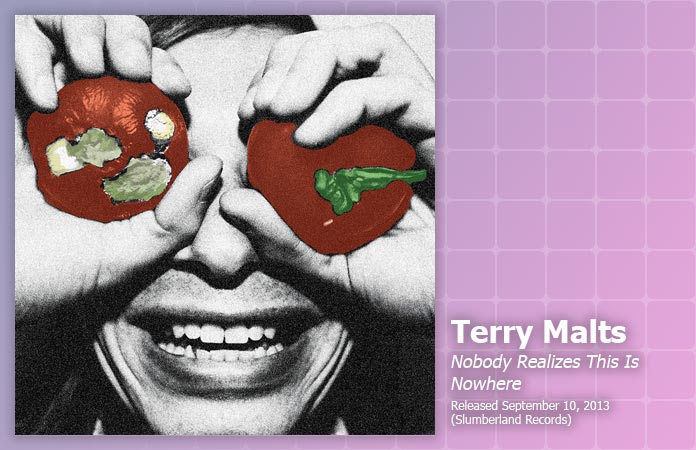
Terry Malts isn’t a person, but a trio from San Francisco. Their new album, Nobody Realizes This Is Nowhere, recalls the easy, breezy days of the early ’90s, before everything was labeled grunge and focused on that blond haired guy with blue eyes and everyone who went on to rip off his band.
No offense to that guy and his band, by the way, because I like them just fine, but there was a whole lot more to the decade than Nirvana. I had a lot of good times back then, and at the risk of sounding like your uncle who waxes nostalgic about the ’70s whenever he hears The Eagles, there was a lot of good music to accompany those times.
Comments Off on Music Review: Terry Malts, Nobody Realizes This Is Nowhere
Music Review: The Wood Brothers, The Muse
Published on October 3rd, 2013 in: Current Faves, Music, Music Reviews, Reviews |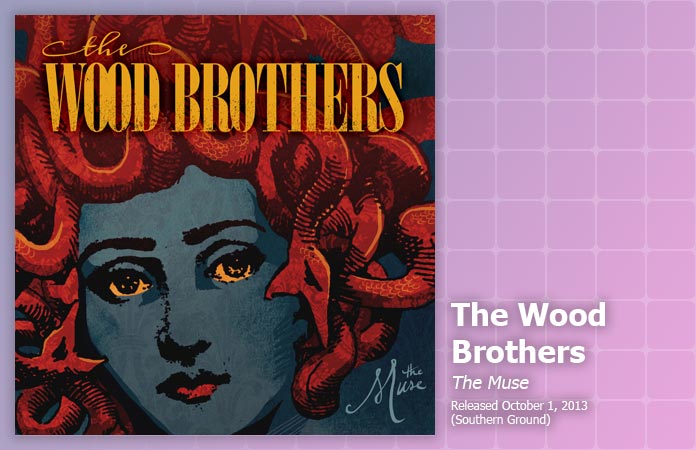
I’ll just put this out there now: I think I’m in love with The Muse. The Wood Brothers’ new album is pure auditory bliss and I might never stop listening to it. Recorded “the old fashioned way,” with the band circled around microphones and all in the same room, The Muse has warmth and analog coziness. There’s a loose-limbed, ramshackleness to it that is delightful.
Comments Off on Music Review: The Wood Brothers, The Muse