Music Review: Headstones, Love + Fury
Published on September 27th, 2013 in: Canadian Content, Current Faves, Music, Music Reviews, Reviews |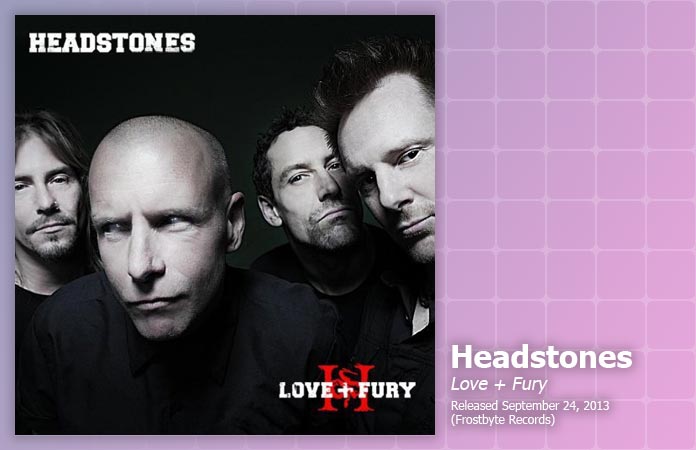
Canada’s Headstones are back after a long hiatus and their return is welcome. Their brand of straightforward, damn the torpedoes and hang-on-to-your-wigs-and-keys rock is refreshing in this age of . . . well, you know the state of popular music today.
Comments Off on Music Review: Headstones, Love + Fury
Music Review: Kelley Stoltz, Double Exposure
Published on September 25th, 2013 in: Current Faves, Music, Music Reviews, Reviews |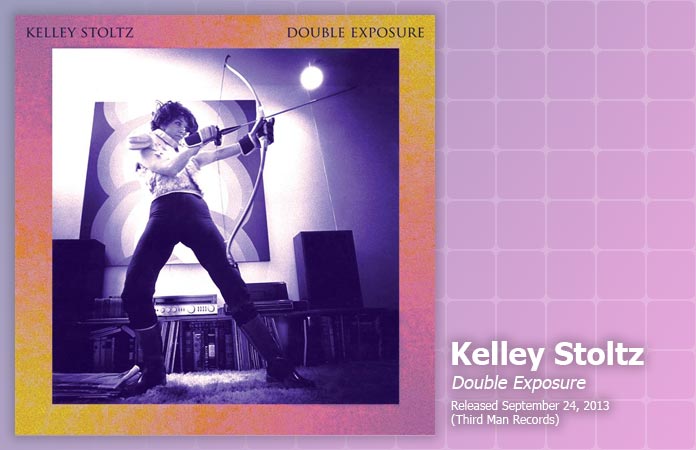
San Francisco’s Kelley Stoltz has made the jump from SubPop to Third Man Records and has embraced the garage rock ethos fully—Double Exposure was recorded in his garage. Not a mere garage this: it goes by the name of Electric Duck Studio and houses vintage synths, an amp used by a Stooge, and a tape machine used by The Residents.
Double Exposure is garagey in the best way. It’s full of exploration and experimentation, and all kinds of noises not naturally occurring in nature. It’s reminiscent of the ’60s psychedelia revival from the ’80s ala the Fuzztones and Fleshtones and their brethren, awash in handclaps and harmonies.
Comments Off on Music Review: Kelley Stoltz, Double Exposure
Music Review: Allen Toussaint, Songbook
Published on September 24th, 2013 in: Current Faves, Music, Music Reviews, New Music Tuesday, Reviews |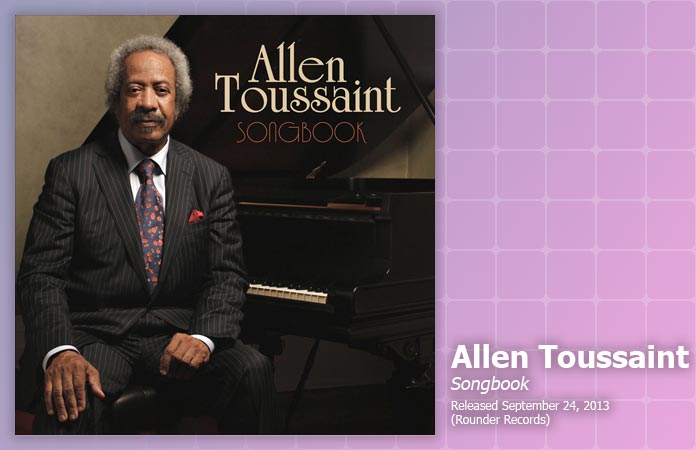
Allen Toussaint has probably written your favorite song, and you didn’t even know it. His new album, the remarkable, amazing Songbook, is a live recording (including a DVD of the performance) of Allen Toussaint, a piano, and his venerable back catalogue. His songs have been covered by such diverse artists as The Rolling Stones, Glen Campbell, Warren Zevon, Devo, Irma Thomas, and The Who. Listening to Songbook, you can’t help but marvel at his songwriting brilliance.
In the wake of Hurricane Katrina in 2005, Allen Toussaint was flooded out of his home and studio and relocated to New York City. There he began to perform solo shows at Joe’s Pub, resurrecting songs he hadn’t performed in years, honing his live show, and developing a passionate following outside of New Orleans. Songbook is taken from those Joe’s Pub shows; an intimate, warm set of songs written by Toussaint that were made popular by other artists.
Comments Off on Music Review: Allen Toussaint, Songbook
Music Review: Tom McDermott, Bamboula
Published on September 24th, 2013 in: Current Faves, Music, Music Reviews, New Music Tuesday, Reviews |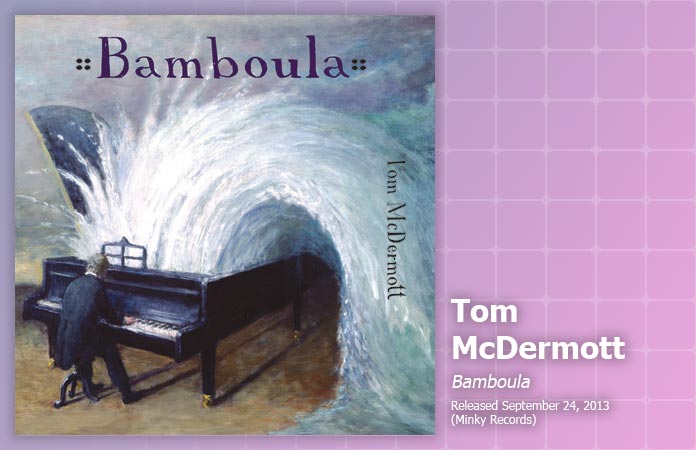
The veritable Van Dyke Parks has curated a collection culled from New Orleans-based piano god Tom McDermott’s previous albums. Bamboula is pure sonic pleasure from the first note.
Parks elaborates on just what makes McDermott’s playing and composing so astonishing: “As a composer, Tom’s compositions each read like a good short story, filled with motifs, anecdotes, and suspended sub-plots that all resolve in conclusion.” As I listened to Bamboula, I was struck by the visual nature of Tom McDermott’s music. Each song became the music for a movie I wanted to see or possibly be in, richly layered and fascinating. It’s transporting in a way that you long for music to be.
Comments Off on Music Review: Tom McDermott, Bamboula
DVD Review: Gimme The Loot
Published on September 23rd, 2013 in: Current Faves, DVD, DVD/Blu-Ray Reviews, Movie Reviews, Movies, Reviews |
“If you say in the first chapter that there is a rifle hanging on the wall, in the second or third chapter it absolutely must go off. If it’s not going to be fired, it shouldn’t be hanging there.”
—Anton Chekhov, 1904
Chekhov would probably find Gimme The Loot a frustrating venture. If he stuck it out through the final reel, unfazed by the colorful vernacular of working-class Brooklyn youths and their attempts at petty crime, he would probably gnash his teeth at writer/director Adam Leon’s failure at resolving many of the enticing leads promised in the film’s opening scenes. At a closer glance, however, the set-ups Leon has created for his protagonists serve as excuses to tail some teenagers through the New York boroughs and take a closer look at graffiti culture.
Comments Off on DVD Review: Gimme The Loot
Blu-Ray Review: Two Men In Manhattan
Published on September 21st, 2013 in: Blu-Ray, Current Faves, DVD/Blu-Ray Reviews, Movie Reviews, Movies, Retrovirus, Reviews |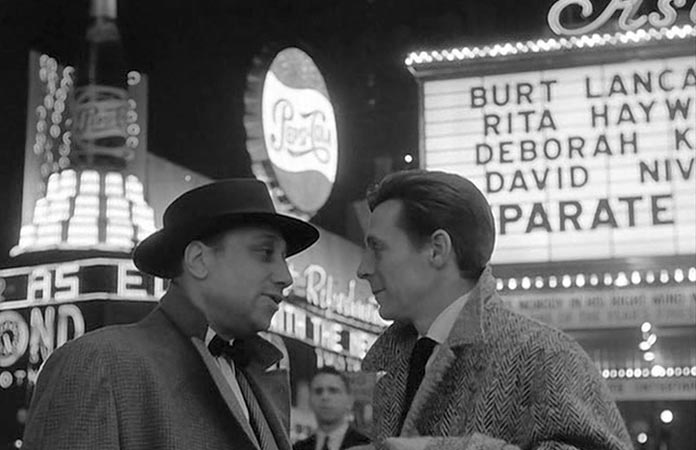
There’s a quote from Quentin Tarantino on the Blu-Ray case for Two Men in Manhattan: “Jean-Pierre Melville is to the crime film what Sergio Leone is to the western.” Those who’ve not yet heard of the French filmmaker might expect his films to be as brash and blood-soaked as Tarantino’s. Although Melville’s milieu was far more restrained, it’s no less exciting to watch.
Comments Off on Blu-Ray Review: Two Men In Manhattan
DVD Review: Simon Killer
Published on September 21st, 2013 in: Current Faves, DVD, DVD/Blu-Ray Reviews, Movie Reviews, Movies, Reviews |
How long has it been since you’ve come across the term “”mise-en-scène” (film students excepted). If most of the film reviews you read come from websites and blogs, it’s probably been a while. Although mise-en-scène, which “refers to everything that appears before the camera and its arrangement—composition, sets, props, actors, costumes, sounds, and lighting” is applicable to every film, it’s the gestalt of these individual aspects that differentiate a regular movie from the work of an artist in full command of the medium. Simon Killer belongs, wholeheartedly, in the latter category.
Comments Off on DVD Review: Simon Killer
Music Review: Various Artists, The Exquisite Corpse Game
Published on September 19th, 2013 in: Current Faves, Music, Music Reviews, Reviews |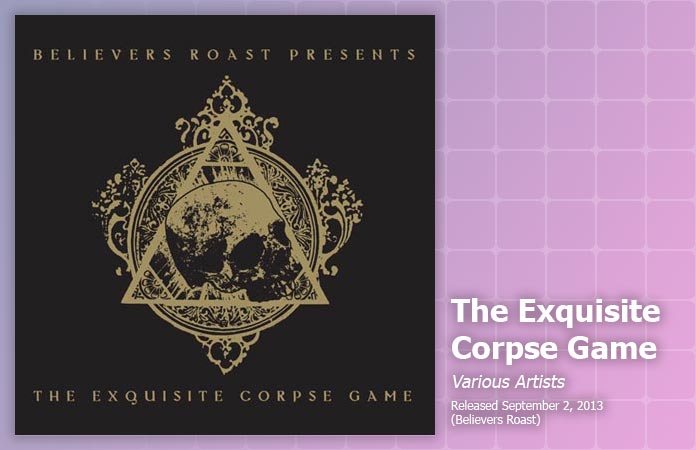
I first head the term “Exquisite Corpse” in the Bauhaus song of the same name, but I didn’t know what it meant or about its history. Popularized by the Surrealists, it is “a method by which a collection of words or images is collectively assembled. Each collaborator adds to a composition in sequence, either by following a rule or by being allowed to see only the end of what the previous person contributed” (Wikipedia).
This method seems perfect for a variety of artistic collaborations, particularly music, where it can be utilized to create a textured mixtape quality. Musician Kavus Torabi decided to embark on an exquisite corpse project through his own label, Believers Roast, and the results—two years in the making—are remarkable and intoxicating. Each artist was only allowed to hear the final 20 seconds of the previous installment and was not allowed to hear the entire collection until it was completed.
Comments Off on Music Review: Various Artists, The Exquisite Corpse Game
TIFF 2013 Review: iNumber Number
Published on September 12th, 2013 in: Current Faves, Film Festivals, Movie Reviews, Movies, Reviews |
iNumber Number is a thoroughly enjoyable heist film from writer/director Donovan Marsh. There’s not a bit of flab to be found in its taut 96 minutes, all of which crackle with tension.
Comments Off on TIFF 2013 Review: iNumber Number
Blu-Ray Review: X-Ray (a.k.a. Hospital Massacre) and Schizoid
Published on September 12th, 2013 in: Blu-Ray, Current Faves, DVD/Blu-Ray Reviews, Horror, Movie Reviews, Movies, Retrovirus, Reviews |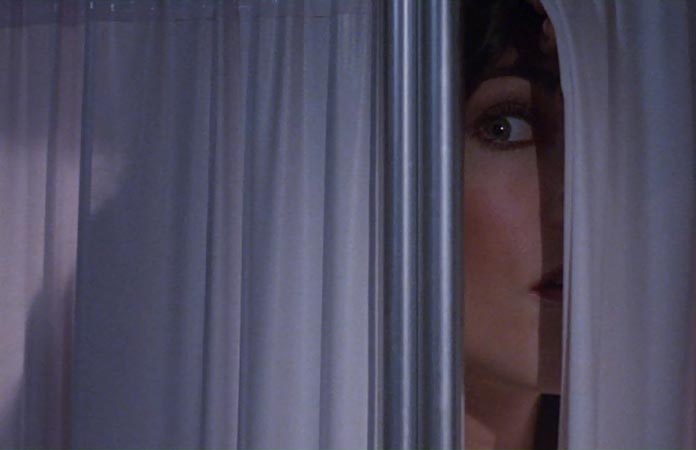
When I was younger, probably around the age of 14, I would help my mother at her job. She would pay me a hefty allowance and I could spend that on whatever I wanted. I used to save up my cash, go on Ebay, and buy box lots of VHS tapes of horror films (I still do this by the way). I would buy anything that I saw on there and spend my weekends staying up late to watch these movies.
One of those large lots I bought contained a cut VHS box fitted into a clear clamshell. It read Hospital Massacre. Upon pulling several titles to watch one night, it was first on my list. Not only was Barbi Benton in it, but Boaz Davidson also directed it. He also directed my favorite ’80s teen film of all time, The Last American Virgin (in the same year of 1982, I might add.)
Comments Off on Blu-Ray Review: X-Ray (a.k.a. Hospital Massacre) and Schizoid