Music Review: Doomsquad, Kalaboogie
Published on March 14th, 2014 in: Canadian Content, Current Faves, Music, Music Reviews, Reviews |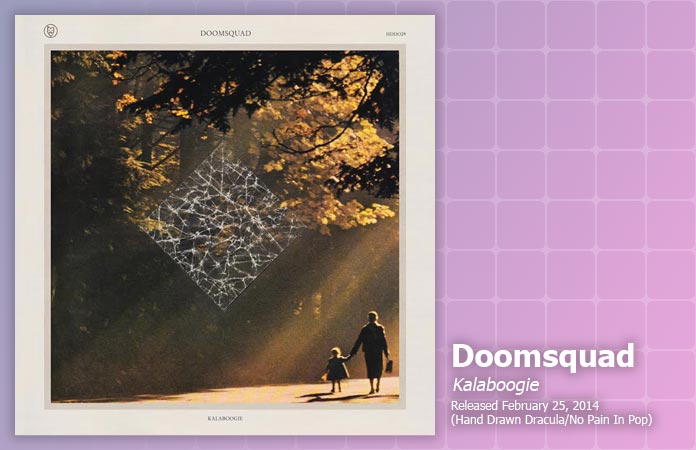
It takes a certain amount of balls to name your band Doomsquad. It sets up myriad expectations. What kind of music do you expect when you hear that name? Totalitarian anthems, denouncing self and praising the Motherland? Some heavy-handed comic book villainy? Angry Norsemen with long hair and corpse paint?
Wrong. Try again.
Comments Off on Music Review: Doomsquad, Kalaboogie
Movie Review: Virginia Obscura
Published on March 7th, 2014 in: Current Faves, Horror, Movie Reviews, Movies, Reviews, Streaming |
There are many words that can describe Virginia Obscura, but some of those words might give away the surprise. Virginia Obscura is one of the films Full Moon Streaming picked up for their new horror VOD service. It is a beautiful thing that they are doing and it even helps give chances to indie horror.
Comments Off on Movie Review: Virginia Obscura
Hannibal: Will Graham Vs. TV Tropes
Published on March 7th, 2014 in: Current Faves, TV |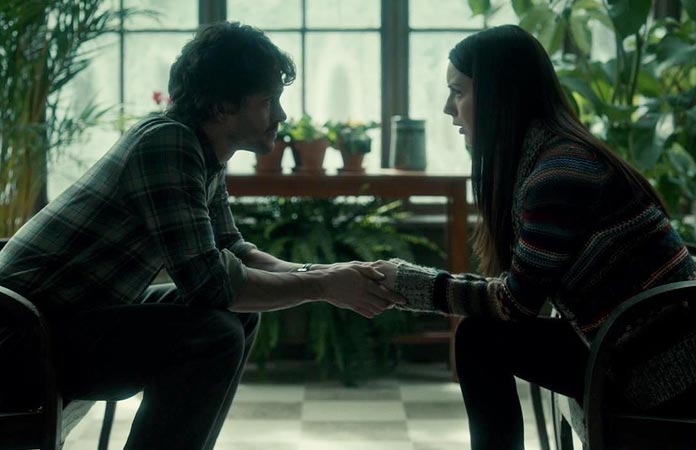
Last Friday, faithful fans of NBC’s Hannibal were glued to the screen for the premiere of the show’s highly anticipated second season. The first season of producer Bryan Fuller’s take on the novels of Thomas Harris garnered critical praise and audience appreciation for everything from the masterful performances to the elaborate gourmet dishes prepared by the title character. One thing that stood out for me, however, was the way in which Will Graham, the protagonist and point-of-view character of the first season, undermines an increasingly common trope on television.
Comments Off on Hannibal: Will Graham Vs. TV Tropes
House Of Cards: The Real Game is Being Played With The Audience
Published on March 7th, 2014 in: Current Faves, TV |By Martin Hollis
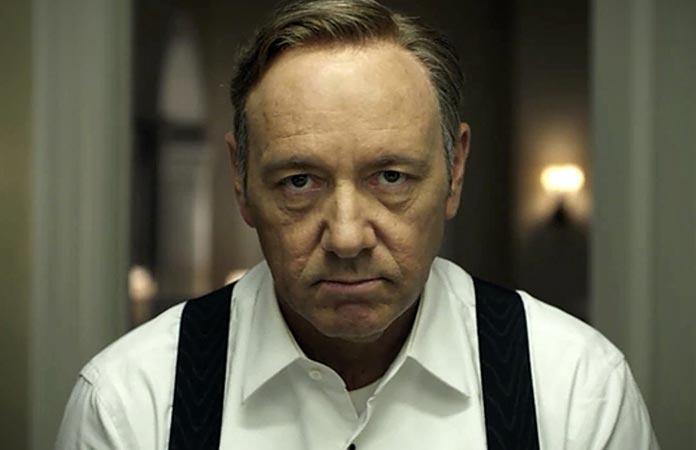
Literature had it lucky. Good old Willie Shakespeare knocked out many a soliloquy in his time, not through choice, but necessity. Standing in the bare rooms of The Globe, it was a must for actors to explain in detail to the audience the location, color, and décor of the room, which had now become Denmark, Verona, wherever.
Given 500 years, it’s no surprise then that Nabokov, Danielewski, and even JJ Abrams in his authorial capacity, have all manipulated and played with the concept of the fourth wall, obfuscating, elaborating, or messing with readers’ expectations. Even Alan Moore’s Watchmen played with the fourth wall, using framing, captions, and font among others in order to play with the form.
Comments Off on House Of Cards: The Real Game is Being Played With The Audience
Music Review: Holly Golightly & The Brokeoffs, All Her Fault
Published on March 7th, 2014 in: Current Faves, Feminism, Music, Music Reviews, Reviews |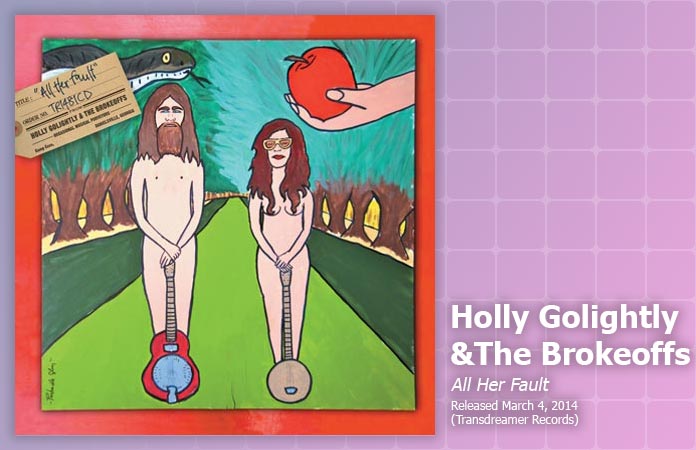
There’s a delightful ramshackle quality to the newest album by Holly Golightly & The Brokeoffs. All Her Fault has a spontaneous, lively sound, and wickedly witty lyrics. It’s the kind of album that is not only instantly engaging, but also gets better with each listen.
Comments Off on Music Review: Holly Golightly & The Brokeoffs, All Her Fault
Music Review: Beck, Morning Phase
Published on February 28th, 2014 in: Current Faves, Music, Music Reviews, Reviews |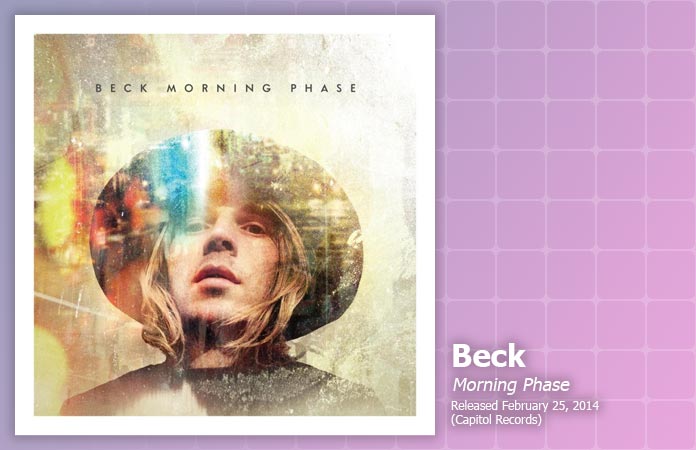
Morning Phase, Beck’s newest album and his first on Capitol Records, has been described as a companion piece to 2002’s Sea Change. Since I hadn’t heard Sea Change in a while, I thought I’d compare the two albums. What I discovered surprised me.
Comments Off on Music Review: Beck, Morning Phase
Music Review: Wild Beasts, Present Tense
Published on February 28th, 2014 in: Current Faves, Music, Music Reviews, Reviews |
Present Tense, the latest album from Wild Beasts, is like the feeling of holding your breath and fighting back tears while watching an emotionally distressing movie in a quiet theater. You want to give in to your emotions, but the strain has a profoundly exquisite painfulness. Present Tense is darker and more somber than the band’s previous two albums and features far less florid prose. This doesn’t mean the lyrics are any less insightful; it simply means listeners must work harder to decipher them and reveal the beauty within. There’s nothing that’s not beautiful about Present Tense, even when it paints unpleasant portraits.
Comments Off on Music Review: Wild Beasts, Present Tense
Music Review: The Woodentops, Granular Tales
Published on February 28th, 2014 in: Current Faves, Music, Music Reviews, Reviews |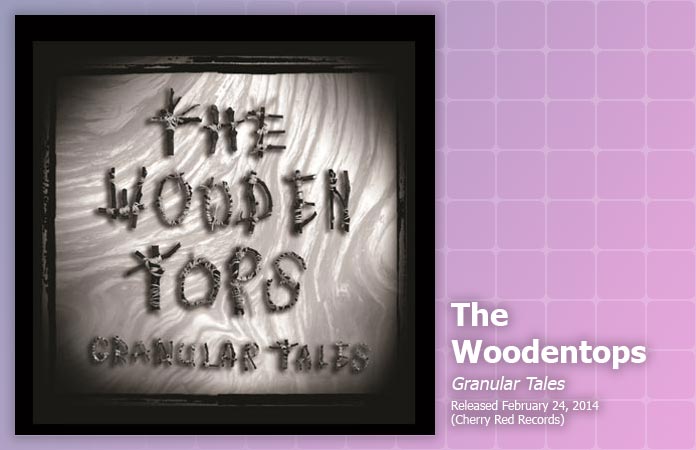
After a 25-year recording hiatus, The Woodentops have reappeared with Granular Tales, a pleasing return to form. The amazing thing? They don’t sound at all like a band that’s not recorded in a quarter of a century. Granular Tales is, for the most part, vital and alive and inventive.
Comments Off on Music Review: The Woodentops, Granular Tales
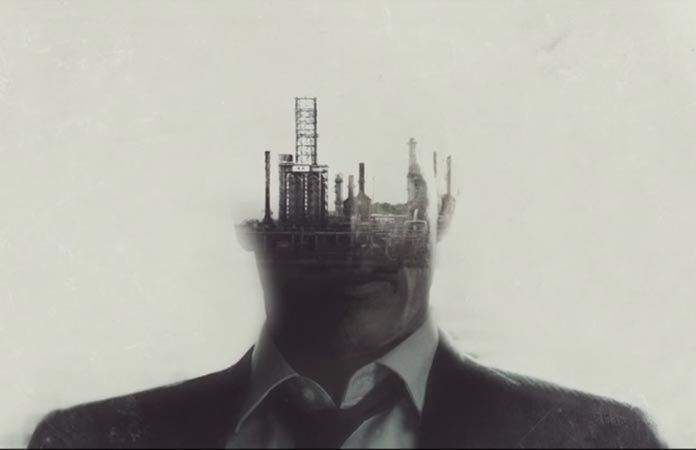
True Detective: “This place is like someone’s memory of a town, and the memory is fading”
Published on February 28th, 2014 in: Current Faves, TV |By Luke Shaw
I’m increasingly wary of new TV recommendations, especially after the all that post-meth cook smoke was blown up so many collective asses that it got tiresome to even be involved in the show’s culture (Disclaimer: I like Breaking Bad but it isn’t the be all and end all of TV drama). It’s also because to even participate in conversations around that show without either being buffeted by so much screeching enthusiasm or labeled a disgruntled naysayer for having one bad word to say about any of its many elements was an absolute impossibility. So I tend to try and distance myself from the new stuff.
However, HBO have gone and put out something that piqued my intrigue so much that I just couldn’t stay away. So I am going to spend the next couple of hundred words blowing smoke up the collective asses of those of you who read this. I love the series format on TV, though I often regret the time investment, especially considering the way it’s frequently so reliant on commissioning and meeting episode quotas. It often feels like creators are wrestling with network and fan expectations and thus things pan out in uneven and bizarre ways. Sometimes this is good (it was great to see Jesse’s character evolved into a fuller role in Breaking Bad than showrunner Vince Gilligan had intended) and sometimes this is bad (cancellation of shows like Deadwood, shows being dragged on past their sell by date like The X-Files and many others). It’s an obstacle that few shows can guarantee that they can surmount.
True Detective is a familiar beast, but of different breeding. It has this prestigious idea of “authorship” behind it. It has a fixed writer with novelist Nic Pizzolatto and a fixed director in Cary Joji Fukunaga. It has brevity, with the first season being only eight episodes long, It has closure and finality; the show adheres to the anthology format so each season will be about a different scenario, with new faces, possible new locations. None of these are entirely new ideas, but the combination of all of these elements into one show is novel, to me at least. I may have missed a show; with millions of hours of TV it is entirely possible that I have, but that’s a task I can set myself later, with American Horror Story looking like an admirable starting point.
Comments Off on True Detective: “This place is like someone’s memory of a town, and the memory is fading”
Music Review: Big Ben Tribe, Lè Travo, Victrola (Dark Entries Reissues)
Published on February 21st, 2014 in: Current Faves, Music, Music Reviews, Retrovirus, Reviews |Dark Entries has quickly become one of my favorite labels, via both their new releases as well as their reissues of more obscure New Wave and dance music from the ’70s and ’80s. Their most recent reissues are from Big Ben Tribe, Lè Travo, and Victrola.

Comments Off on Music Review: Big Ben Tribe, Lè Travo, Victrola (Dark Entries Reissues)