DVD Review: Found
Published on October 17th, 2014 in: Current Faves, DVD, DVD/Blu-Ray Reviews, Horror, Movie Reviews, Movies, Reviews |
A couple of years ago my friend Jay handed me a disc with one word on it: Found. He said he saw it at a horror convention and it was something I would love. I watched Found that night and he was right.
Comments Off on DVD Review: Found
Music Review: Jen Wood, Wilderness
Published on October 17th, 2014 in: Current Faves, Feminism, Music, Music Reviews, Reviews |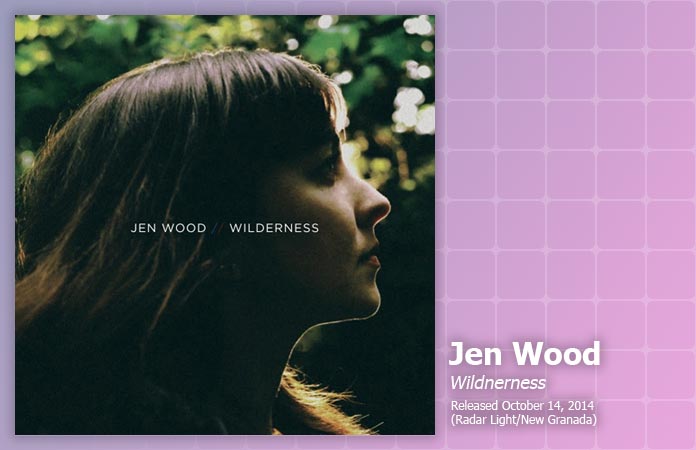
How does writing an album on piano differ from writing an album with a guitar? For an answer, listen to indie/neo-folk singer Jen Wood’s new album, Wilderness. While her previous releases had been written on guitar, Wilderness is piano based and as a result, even at its quietest and most intimate, has a massive, almost filmic quality. The songs are deep and moving and meaningful, chronicling the last several years of her life.
Comments Off on Music Review: Jen Wood, Wilderness
Music Review: Sons Of Bill, Love & Logic
Published on October 10th, 2014 in: Current Faves, Music, Music Reviews, Reviews |
On their fourth album, Charlottesville, Virginia outfit Sons of Bill (brothers Abe, James and Sam Wilson are literally, sons of Bill) return with glorious harmonies, thoughtful, literate lyrics, and some excellent musicianship. Produced by former Wilco drummer (and Grammy-nominated producer), Ken Cooner, Love & Logic is the sonic equivalent to wispy clouds scudding across a full moon. It’s arresting and loaded with hooks, but also at times deeply lonesome.
Comments Off on Music Review: Sons Of Bill, Love & Logic
Music Review: The Rural Alberta Advantage, Mended With Gold
Published on October 10th, 2014 in: Current Faves, Music, Music Reviews, Reviews |
On their third album, Mended With Gold, The Rural Alberta Advantage continue to make hooky, emotion-heavy, often gorgeous, folk-ish music. There’s an epic quality to Mended With Gold that exists in the quiet moments of introspection in frontman Nils Edenloff’s songs: a feeling of space and loneliness, and a feeling of hope. It’s a really good record. I wish Friday Night Lights was still on, because these songs would be perfect soundtrack fodder.
Comments Off on Music Review: The Rural Alberta Advantage, Mended With Gold
Music Review: Luke Winslow-King, Everlasting Arms
Published on October 10th, 2014 in: Current Faves, Music, Music Reviews, Reviews |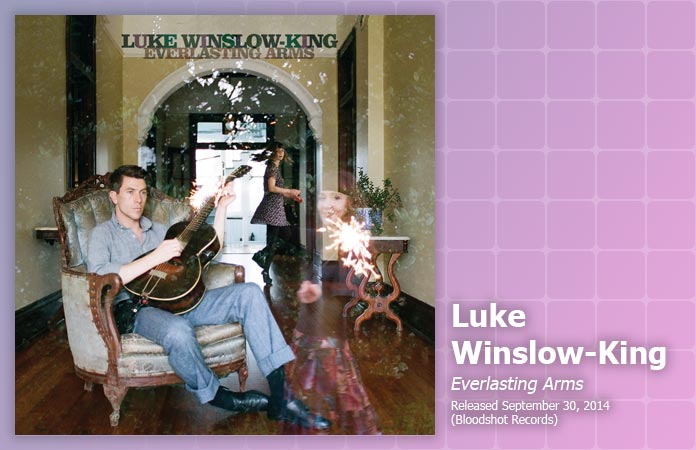
New Orleans transplant Luke Winslow-King is spreading his ever so creative wings and trying a new musical direction. Sort of. Not every song on his new album Everlasting Arms hews to his faithful reproductions of pre-war, deep South music (though those are the best tracks), and he tries on some rockabilly pants and samba beats for size. The results are mixed.
Comments Off on Music Review: Luke Winslow-King, Everlasting Arms
Music Review: Monty Python’s Total Rubbish: The Complete Collection
Published on October 10th, 2014 in: Comedy, Current Faves, Movies, Music, Reissues, Retrovirus, Reviews, Soundtracks and Scores, TV |
Full disclosure: I have no idea how to review the new, incredibly comprehensive, fully-remastered, nine-disc Monty Python box set, Monty Python’s Total Rubbish: The Complete Collection. I, like any good misfit worth her salt, went through a rather serious Monty Python phase while in high school, and spent every weekend watching Monty Python’s Flying Circus with my best pal Lori (and arguing over who was cuter, Michael Palin or Eric Idle. The answer was yes), imitating the sketches, knotting handkerchiefs for our heads, and being fully immersed in Pythonalia. I have no objectivity when it comes to Monty Python. I love them. Full on. I learned more about world history from Monty Python than I did in high school (of course, if it had been taught in funny voices, I might’ve paid more attention).
Comments Off on Music Review: Monty Python’s Total Rubbish: The Complete Collection
Music Review: Zola Jesus, TAIGA
Published on October 10th, 2014 in: Current Faves, Feminism, Music, Music Reviews, Reviews |By Ben van D
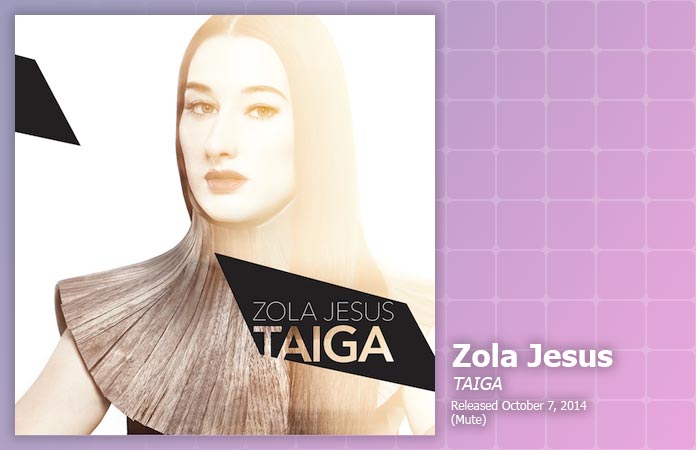
If Frozen were a greasepaint opera, a Brechtian musical set in a hinterland abyss, and directed by Robert Wilson, it would bear a passable resemblance to TAIGA. “Let It Go” would fit in surprisingly well with the themes of self-reinvention and severance from the tethers of the past running through Zola Jesus’s (Nika Danilova) latest offering. Even the winter woodland setting from which the album draws its name is a parallel. None of these are to TAIGA‘s detriment, however. This is markedly a pop album, more so by far than any of Danilova’s offerings to date, and any passing likeness to Disney’s ubiquitous pop monster hit is a feather in its cap.
Comments Off on Music Review: Zola Jesus, TAIGA
Music Review: Goblin, Beyond the Darkness
Published on October 10th, 2014 in: Current Faves, Horror, Music, Retrovirus, Reviews, Soundtracks and Scores |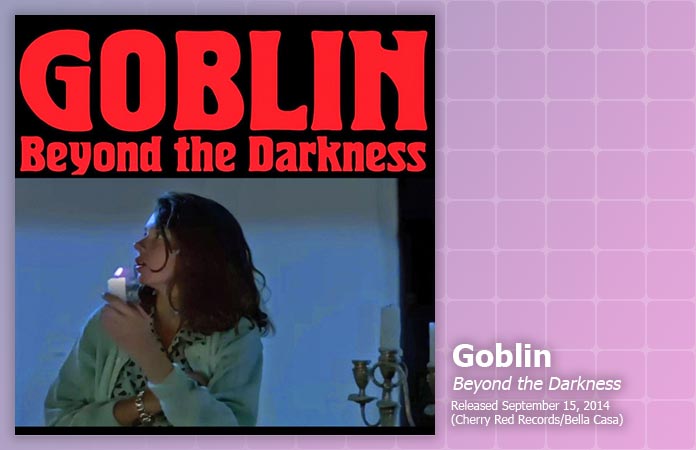
The Italian progressive rock band Goblin has been in existence, in some iteration or another, for over 40 years. Most people know them from their multiple collaborations with film director, Dario Argento, in creating soundtracks for his horror movies. Goblin hasn’t made any new music, though, since the soundtrack for Non so honno in 2001. At this point, they’ve earned the right to rest on their laurels a tad, so instead of new music, Goblin releases a lot of greatest hits compilations.
Comments Off on Music Review: Goblin, Beyond the Darkness
Blu-Ray Review: Cold In July
Published on October 3rd, 2014 in: Blu-Ray, Current Faves, DVD/Blu-Ray Reviews, Movie Reviews, Movies, Reviews |
It’s best not to know a whole lot about the plot going into Jim Mickle’s latest film Cold In July. If you haven’t read the Joe R. Lansdale novel upon which the movie is based (like me), try not to form any preconceived notions from the tag line or cover art and just go with it. If you’re about ten minutes in and thinking, “Damn, this is just a whole bunch of stalker-revenge movie clichés that aren’t really doing it for me,” keep watching. There’s no M. Night Shyamalan-style twist, just a lot of well-crafted narrative turns that will keep your attention even after the movie ends. It’s that good, and easily the best of Mickle’s last three films.
Comments Off on Blu-Ray Review: Cold In July
Music Review: Lowell, We Loved Her Dearly
Published on October 3rd, 2014 in: Canadian Content, Current Faves, Feminism, LGBTQ, Music, Music Reviews, Reviews |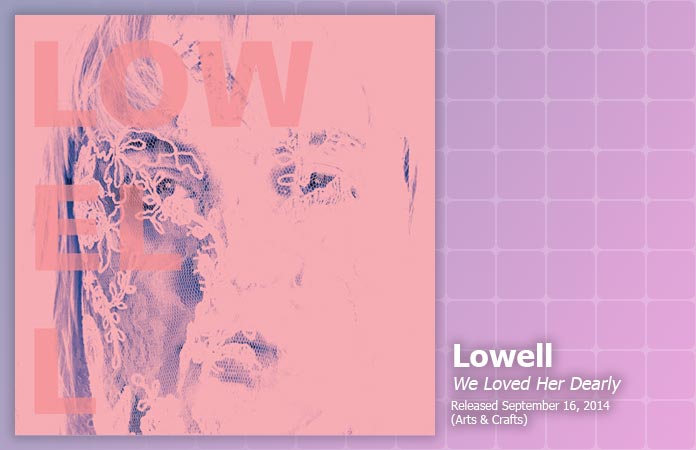
You live in a man’s world, I live in my own world.
I tell you I don’t want you anymore.
—Lowell, “I Love You Money”
Imagine if there were a female singer/songwriter/musician who’s a Britney Spears-loving feminist, a former stripper who self-identifies as bisexual, and who has synasthesia. And imagine that her music is poppy and provocative and that she sings like both an angel and a banshee. That person is real and her name is Lowell.
Lowell first came to my attention earlier this year with her dynamic and delightful EP I Killed Sara V. (review). Its first track, “Cloud 69,” is a unique slice of sugary, sexy pop and like nothing else I’ve heard. We Loved Her Dearly contains that EP’s five tracks plus seven more and it’s going to blow your mind and break your heart.
Comments Off on Music Review: Lowell, We Loved Her Dearly