Music Review: Ambrosia Parsley, Weeping Cherry
Published on May 1st, 2015 in: Current Faves, Feminism, Music, Music Reviews, Reviews |
There’s a compelling, understated darkness to Ambrosia Parsley’s Weeping Cherry. The former Shivaree front woman’s new album has an undercurrent of dread and danger running through: off-kilter keyboards, fiery slashes of guitar, dangerous percussion, and Parsley’s own curious, fascinating vocals. The songs are evocative and rich, experimental and strange. Even the most typical song structure (verse-chorus-verse), becomes a bit twisted in her hands.
Comments Off on Music Review: Ambrosia Parsley, Weeping Cherry
Music Review: Jimbo Mathus, Blue Healer
Published on May 1st, 2015 in: Current Faves, Music, Music Reviews, Reviews |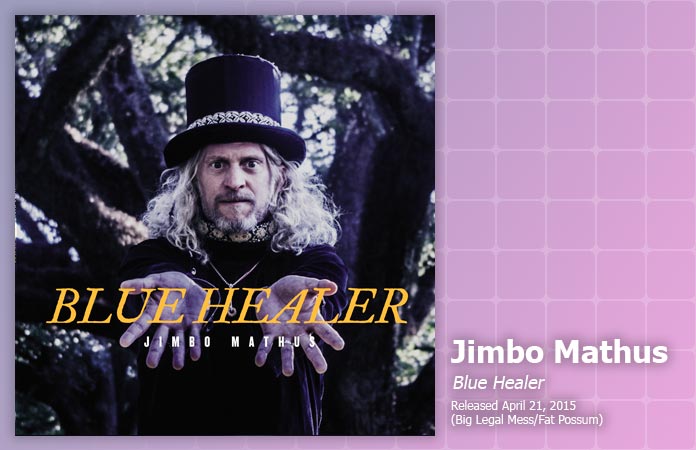
“Well bless my soul and hush my mouth.” With the first words on Blue Healer, you know that Jimbo Mathus’s latest is going to be more of the gritty, swampy Southern Rock that is his stock in trade. Drawing from a lifetime in the South, Jimbo Mathus has created his manifesto with Blue Healer. It’s a concept album that eschews the parts of concept albums that make them so annoying, and instead is filled to the brim with excellent hooks, fine songwriting, and and a layer of honesty that is deeply authentic.
Comments Off on Music Review: Jimbo Mathus, Blue Healer
Music Review, Death, N.E.W.
Published on May 1st, 2015 in: Current Faves, Music, Music Reviews, Reviews |By Tyler Hodg
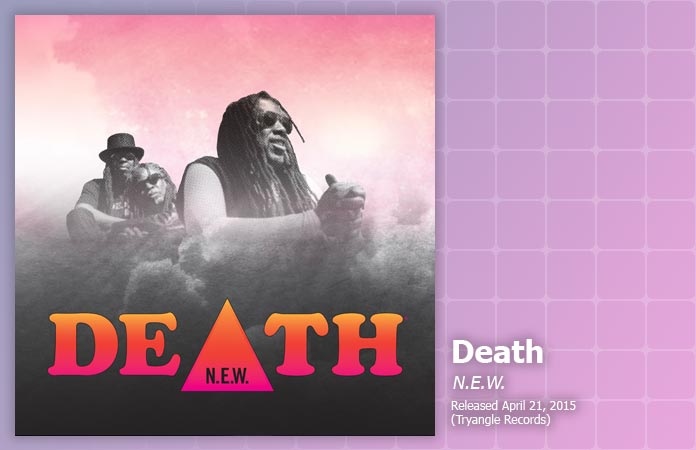
The music industry is a funny one: how a band can exist for 40 years, go completely unappreciated, and then experience a surge in popularity decades into the game is quite remarkable. Detroit punk rock band Death has accomplished this very feat—and in grand style, naturally—with their first album since 1976. Appropriately titled, N.E.W. is refreshing and surprisingly current, and is a testament to the longevity of rock’n’roll music.
Comments Off on Music Review, Death, N.E.W.
Music Review: Marching Church, The World Is Not Enough
Published on April 17th, 2015 in: Current Faves, Music, Music Reviews, Reviews |
I’ve said it before: there must be something in the water in Scandinavia. How else do you explain the incredible music coming from the area? Much has been written on Popshifter about Iceage as well as the band Lower, both from Copenhagen. They’re friends who’ve toured together as well as collaborated on music, film, and photography.
Iceage singer Elias Bender Rønnenfelt has now released a solo album under the enticing moniker of Marching Church. No doubt there are those who see the phrase “solo album” associated with a 23-year-old guy who looks like Leo DiCaprio in Romeo + Juliet and roll their eyes to the heavens. But we were all 23 once. I’m certain that a lot of people reading this never unleashed music as stupendous as the last three Iceage albums when they were that age, so let’s hold off on the snark.
Comments Off on Music Review: Marching Church, The World Is Not Enough
Music Review: Male Gaze, Gale Maze
Published on April 17th, 2015 in: Current Faves, Music, Music Reviews, Reviews |
I’d never heard Blasted Canyons, Mayyors, or The Mall, so references to these San Francisco bands failed to pique my interest when a link to Male Gaze’s “Cliffs Of Madness” single made its way into my inbox last year. What I did like about the song was that it reminded me a bit of Red Lorry Yellow Lorry (in its nervy, post-punkishness) and a bit of Modern English (in the way Male Gaze singer Matt Jones sounds like Robbie Grey). It’s a real thunderstorm of a track with vocal and guitar melodies that present themselves at just the right moments.
Comments Off on Music Review: Male Gaze, Gale Maze
Music Review: Various Artists, Ork: Box
Published on April 17th, 2015 in: Current Faves, Music, Music Reviews, Reissues, Retrovirus, Reviews |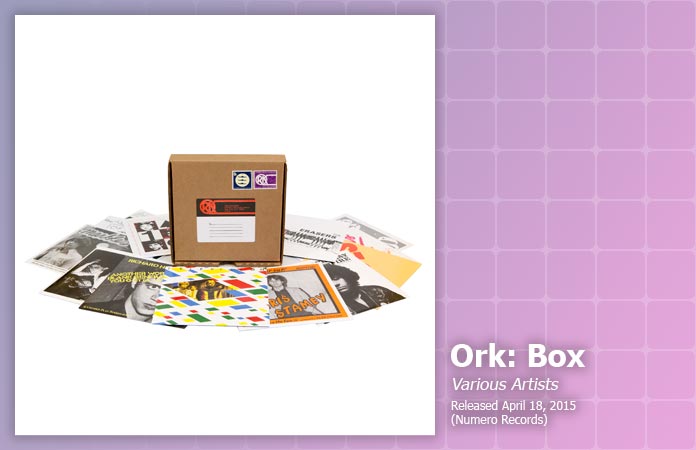
Rock and roll is nothing if not incestuous. Everyone likes to talk about who stole from whom (or if you’re less curmudgeonly, who influenced whom), but when music scenes are small, close-knit, and under the radar, such through lines are nearly impossible to pinpoint.
And so it is with the Ork Records Ork: Box, out on Record Store Day 2015, from the always-impressive Numero Records. You might wonder how bands as seemingly disparate as The dB’s, Television, Mick Farren, Link Cromwell (a.k.a. Lenny Kaye), and Cheetah Chrome would nestle so snugly together, but one listen to this dazzling collection of singles will dissuade any doubt. What’s even more remarkable is that the tracks are arranged in chronological order but play like the most cohesive mix tape ever.
Music Review: Thor, Unchained Deluxe Reissue
Published on April 17th, 2015 in: Canadian Content, Current Faves, Music, Music Reviews, Reissues, Retrovirus, Reviews |By Tim Murr
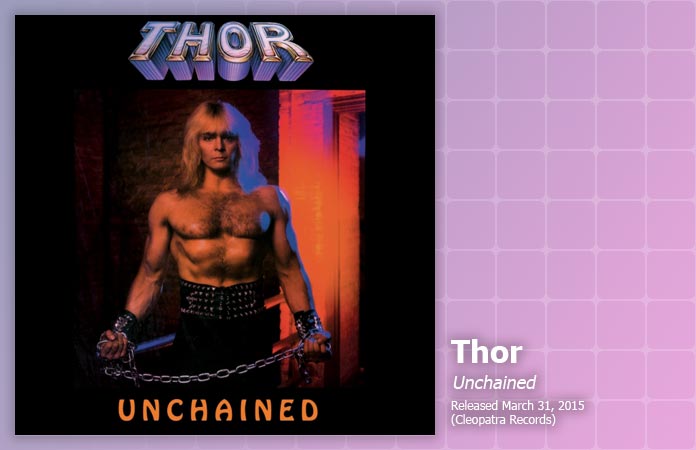
There are so many sub genres in heavy metal that black metal progenitors Mayhem stand under the same umbrella as pop glamsters Poison. Which is kind of cool when you think about it. There’s so much that you can do with metal, so many styles you can mix in, so many identities that exist shoulder to shoulder.
Comments Off on Music Review: Thor, Unchained Deluxe Reissue
Music Review: Various Artists, Beale Street Saturday Night
Published on April 17th, 2015 in: Current Faves, Music, Music Reviews, Reissues, Retrovirus, Reviews |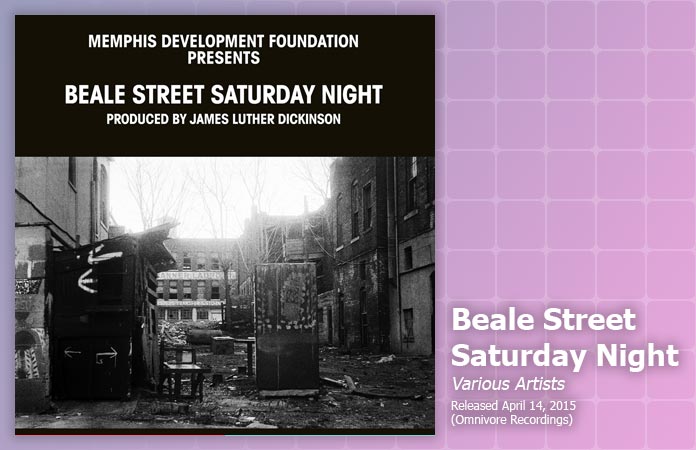
Beale Street Saturday Night is a historical document that you could dance to, if you were so inclined. In 1976, James Luther (Jim) Dickinson (who played with loads of people, from the Stones to the Cramps, and produced Big Star, The Replacements, et al) set out to document the music and the musicians that played on the storied street where rock and roll arguably began. He recorded blues musicians at home, at clubs, and at the Orpheum theater, creating a sonic trip with spoken reminiscences from the artists cut in to their songs. The resulting album, Beale Street Saturday Night, was released in a limited run in 1978 and fetches astounding prices for original copies.
Comments Off on Music Review: Various Artists, Beale Street Saturday Night
Music Review: Wire, WIRE
Published on April 17th, 2015 in: Current Faves, Music, Music Reviews, Reviews |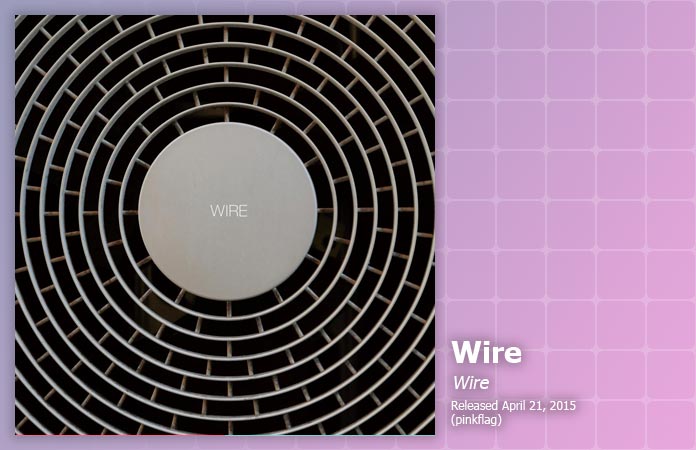
“Seminal” is a funny word which makes the 12-year-old boy who still lives inside my adult body giggle. Yet, this is the word most often used to describe the band, Wire. They are a “seminal” New Wave band. Maybe they’re a “seminal” art punk band. They might be simply a “seminal” rock band.
Comments Off on Music Review: Wire, WIRE
Music Review: Ray Wylie Hubbard, The Ruffian’s Misfortune
Published on April 10th, 2015 in: Current Faves, Music, Music Reviews, Reviews |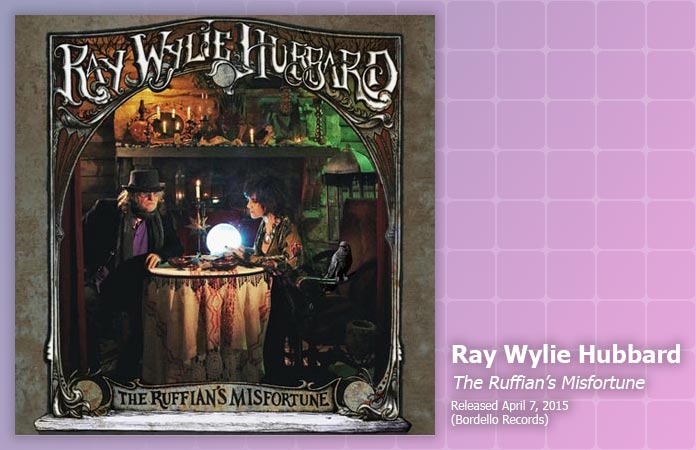
Ray Wylie Hubbard is the kind of artist that it takes the world a bit to catch up with. Making a sort of bluesy, country-tinged, mystic-thinking, completely rocking sound, he should have been huge in the Outlaw Country days. Instead, his fame was mostly limited to Texas, despite having made critically acclaimed albums.
Comments Off on Music Review: Ray Wylie Hubbard, The Ruffian’s Misfortune