Fight For Death: Zardoz
Published on May 30th, 2011 in: Climb Onto The Nearest Star, Issues, Movie Reviews, Movies, Science Fiction, Underground/Cult |“The gun is good but the penis is evil.”
Whenever John Boorman’s bizarre, rambling, dystopian epic Zardoz is discussed, this is the line that is always mentioned. This line and the image of Sean Connery sporting mutton chops, a braided ponytail, red bandoliers, thigh high pirate boots, and red, diaper-like underpants.
Comments Off on Fight For Death: Zardoz
A Sci-Fi Fairy Tale: Hanna
Published on May 30th, 2011 in: Action Movies, Climb Onto The Nearest Star, Current Faves, Feminism, Issues, Movie Reviews, Movies, Reviews, Science Fiction |By Lisa Anderson
One of the best movies of the year has already arrived, without much fanfare. If you’ve gone to see a movie rated PG-13 or higher in the past few months, then you’ve seen the trailer for Hanna, where the thrumming score by the Chemical Brothers provides the background for a teenage girl’s acts of derring-do. What you can’t tell from the trailer is that Hanna is one of the most innovative science fiction movies to come along in a while.
(more…)
Comments Off on A Sci-Fi Fairy Tale: Hanna
There Is No Alfred, Only Proteus: Demon Seed
Published on May 30th, 2011 in: Climb Onto The Nearest Star, Horror, Issues, Movie Reviews, Movies, Science and Technology, Science Fiction |Although technophobia has been around since the Industrial Revolution, the advent of computers in the 1960s and ’70s introduced a new level of fear into citizens of industrialized nations. Those under the age of 40 may scoff that anyone could possibly be afraid of a computer, but when they talk? That’s a different story.
Comments Off on There Is No Alfred, Only Proteus: Demon Seed
The Color Out Of Space: The Films Of H.P. Lovecraft
Published on May 30th, 2011 in: Climb Onto The Nearest Star, Horror, Issues, Movies, Science Fiction |By Paul Casey
Guillermo del Toro will not make At the Mountains of Madness, at least not anytime soon. Perhaps our only chance of the first great cinematic interpretation of H.P. Lovecraft’s Cthulhu mythology has been thwarted. Do not fear dear reader, all is not lost! I am here to tell you that while we lack that perfect vision of Cthulhu and his aquatic features, there are many adaptations of his work that should please the casual and hardcore Lovecraft fan.

H.P. Lovecraft
Comments Off on The Color Out Of Space: The Films Of H.P. Lovecraft
The Mistress And The Maid: Mildred Pierce
Published on March 30th, 2011 in: Back Off Man I'm A Feminist, Books, Culture Shock, Feminism, Issues, Movies, Teh Sex, TV |By Less Lee Moore
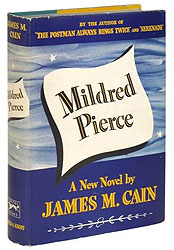
When I learned of the Mildred Pierce miniseries—directed by Todd Haynes and airing on HBO—I was thrilled. I’ve been a longtime fan of the novel and film, as well as of Haynes. Then I started to second-guess my excitement.
Would another male-directed version of this story merely intensify the story’s “male gaze”? Furthermore, should I revere Mildred Pierce as a feminist text when the original novel was written by one man (James M. Cain) and first captured on screen by another (Michael Curtiz)?
(more…)
Comments Off on The Mistress And The Maid: Mildred Pierce
The Women Behind The Whedonverse
Published on March 30th, 2011 in: Back Off Man I'm A Feminist, Feminism, Gaming, Horror, Issues, Magick, Movies, Science Fiction, The Internets, TV |By Lisa Anderson

Even casual fans of Joss Whedon know that strong female characters are important to him. Buffy the Vampire Slayer, Echo from Dollhouse, and Zoe from Firefly are only a few examples. What casual fans may not realize is that women behind the scenes—Whedon’s fellow writers and producers—have also helped make his storylines beloved to so many fans. They include Jane Espenson, Marti Noxon, Maurissa Tancheroen, and Felicia Day.
(more…)
Beyond Twilight: Stephenie Meyer’s The Host
Published on March 30th, 2011 in: Back Off Man I'm A Feminist, Book Reviews, Books, Feminism, Issues, Movies, Science Fiction |By Lisa Anderson
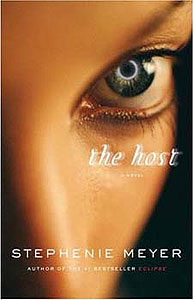
Stephenie Meyer: Few writers have ever had their work loved and hated so deeply at the same time.
Her Twilight series, consisting of four novels and a novella, has sold over 100 million copies worldwide and been translated into 38 languages, as well as being adapted into a film saga that is set to conclude this year. Meyer has a wide variety of critics, from vampire purists who resent the liberties she has taken with the lore, to feminists who find the relationship between her romantic leads unhealthy. In all the hubbub, though, you hear almost nothing about Meyer’s other brain child: A science fiction novel called The Host which was released in 2008.
(more…)
Comments Off on Beyond Twilight: Stephenie Meyer’s The Host
A Little Bowie, A Little Bardot: The Runaways
Published on March 30th, 2011 in: Back Off Man I'm A Feminist, DVD, Feminism, Issues, LGBTQ, Movie Reviews, Movies, Music, Teh Sex |The Runaways, Floria Sigismondi’s 2010 film about the seminal all-girl rock band, is not a documentary. That role, to some extent, has already been filled: Former Runaway Vicki Tischler-Blue made Edgeplay: A Film About The Runaways in 2004, even though Joan Jett declined to participate and refused to allow any original music from the band to be used.
Despite the fact that Joan Jett was an executive producer on The Runaways, do not watch it expecting a history lesson. Because the movie, although based on member Cherie Currie’s bio Neon Angel, is partly fact and partly fiction, but all fantasy: sex, drugs, more drugs, rock & roll, heartbreak, and dreaming.
(more…)
Comments Off on A Little Bowie, A Little Bardot: The Runaways
The Notorious Bettie Page
Published on March 30th, 2011 in: Art, Back Off Man I'm A Feminist, DVD, Feminism, Issues, Movie Reviews, Movies, Teh Sex, Underground/Cult |Called “the greatest pinup model that ever lived” by pinup photographer Art Amsie, Bettie Page was nothing if not an enigma. The now-iconic images of her alternate between sweet, sassy cheesecake shots and those fetish photos and films that were brought before the Kefauver Hearings of the Senate Subcommittee on Juvenile Delinquency in the mid-1950s. It is this contrast and conflict that director Mary Harron examines in her 2005 film, The Notorious Bettie Page.
Comments Off on The Notorious Bettie Page
I’m The Real Victim Here: I Spit On Your Grave Remade and Revisited
Published on March 30th, 2011 in: Back Off Man I'm A Feminist, DVD, DVD/Blu-Ray Reviews, Feminism, Horror, Issues, Movie Reviews, Movies, Reviews |By Michelle Patterson
Victimhood has had an ironic stranglehold on cinema since the medium’s very inception. The “woman’s picture,” along with the romantic comedy and action-adventure genres, tap into the potential for an audience to live both vicariously through the film and also fully explore their empathetic side. The horror film has also allowed this to continue for over a century now.
(more…)
Comments Off on I’m The Real Victim Here: I Spit On Your Grave Remade and Revisited