DVD Review: The ABCs of Death
Published on June 19th, 2013 in: Current Faves, DVD, DVD/Blu-Ray Reviews, Feminism, Horror, Movie Reviews, Movies, Reviews, Science Fiction |
D Is For Dogfight by Marcel Sarmiento
Even to a horror fan, the idea of a film omnibus devoted to death could seem a bit morbid. The ABCs of Death is a complex, thoughtful glimpse at not only death, but also the work of 26 filmmakers from 15 different countries. Each director was assigned a letter and given complete artistic freedom to pick a word from the alphabet and design his or her own cinematic interpretation of death.
Music Review: Piñata Protest, El Valiente
Published on June 18th, 2013 in: Current Faves, Music, Music Reviews, New Music Tuesday, Reviews |
When I hit play on my demo copy of El Valiente, a series of brostep-style drops came out of my speakers. My heart sank. Had “los muy chingóns de Norteño Punk” gotten sidetracked by that most loathsome of EDM subgenres? One second and a long yip later, I realized I didn’t have to worry.
For the uninitiated, Piñata Protest has mastered a sound that blends the buzzing cacophony and shout-along choruses of punk with Norteño, an accordion-driven form of traditional Mexican music. While the two genres may seem at odds with one another, the fast tempos and slyly political lyrics for which Norteño is known play well with the exuberant energy of punk. It’s a wonder other bands haven’t tried this kind of you-got-your-peanut-butter-in-my-chocolate crossover.
Comments Off on Music Review: Piñata Protest, El Valiente
DVD Review: John Dies At The End
Published on June 14th, 2013 in: Comedy, Current Faves, DVD, DVD/Blu-Ray Reviews, Horror, Movie Reviews, Movies, Reviews, Science Fiction |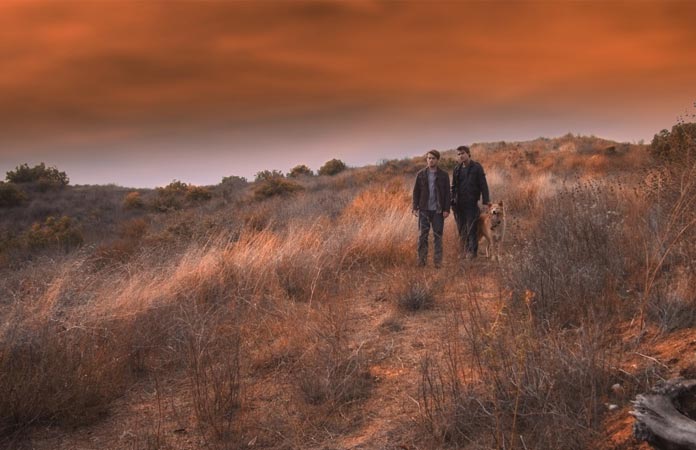
John Dies At The End is a remarkably original movie, even though it’s based on a novel. Director Don Coscarelli, who also adapted the screenplay, has merged several different, potentially conflicting styles— horror, comedy, sci fi—into a movie that resides firmly in its own universe(s).
Comments Off on DVD Review: John Dies At The End
Music Review: True Blood: Music From The HBO Original Series, Volume 4
Published on June 13th, 2013 in: Current Faves, Horror, Music, Music Reviews, Reviews, Soundtracks and Scores, TV |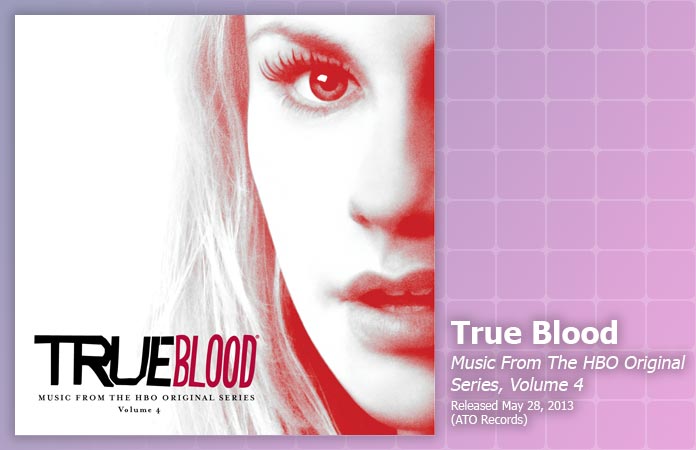
The latest installment of the True Blood soundtracks, True Blood: Music From the HBO Original Series, Volume 4, reinforces the idea that no matter how silly or bewildering or campy the show is (even in the best way), the soundtrack is invariably perfect. It’s listenable and enjoyable out of the context of the show, though if you want to reminisce about Alcide and Sookie getting their drink on, you can listen to “Let’s Boot And Rally” and remember that magical time as well. Or possibly remember any time that Alcide was shirtless. I digress.
Comments Off on Music Review: True Blood: Music From The HBO Original Series, Volume 4
Music Review: CSS, Planta
Published on June 11th, 2013 in: Current Faves, Feminism, Music, Music Reviews, New Music Tuesday, Reviews |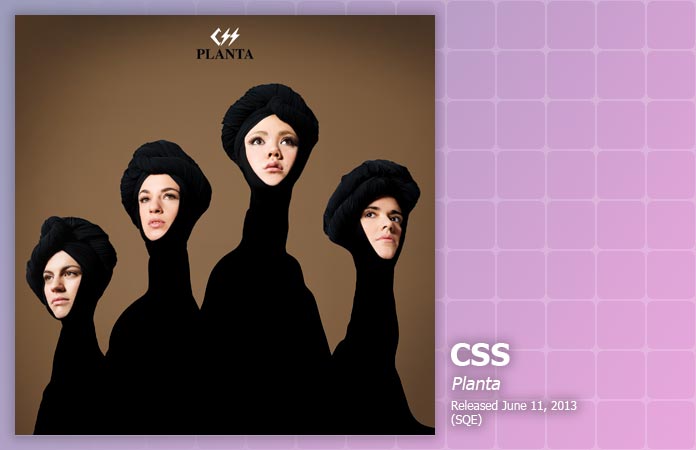
Listening to the latest CSS album may inspire listeners to develop a vicarious crush on the object of the band’s affections. Washes of fizzy synths sound like the rush of dopamine one experiences while in the throes of infatuation, and the thumping, staccato rhythms pulse with exuberant energy.
Since their first album dropped in 2006, CSS have put their own spin on ’80s synth pop, investing the underrated genre with a sassy personality and a dollop of post-riot grrrl feminism. Compared to its predecessor, La Liberacion, Planta takes a more introspective lyrical approach, with songs that depict the giddy highs of falling in love and note the heartbreak of unrequited emotions. While the lyrics to individual songs might seem bratty and shallow, the album as a whole has such a desperate, obsessive quality that it comes off like the soundtrack to a film version of Orpheus and Eurydice as adapted by John Hughes.
Comments Off on Music Review: CSS, Planta
Movie Review: Peaches Does Herself
Published on June 10th, 2013 in: Canadian Content, Current Faves, Feminism, LGBTQ, Movie Reviews, Movies, Music, Reviews, Teh Sex |
Photo © Angel Ceballos
You don’t need to know her music beforehand to “get” the new concert-cum-performance-art film from Peaches, but even fans will marvel at how accurately the songs in Peaches Does Herself tell the story, as if they were written expressly for the film. Furthermore, although the narrative is fairly simple, the concepts within it are complex, including sex, romance, gender, confusion, anger, and acceptance.
Comments Off on Movie Review: Peaches Does Herself
Music Review: The Dudley Moore Trio, From Beyond The Fringe
Published on June 4th, 2013 in: Culture Shock, Current Faves, Music, Music Reviews, New Music Tuesday, Retrovirus, Reviews |By Cait Brennan
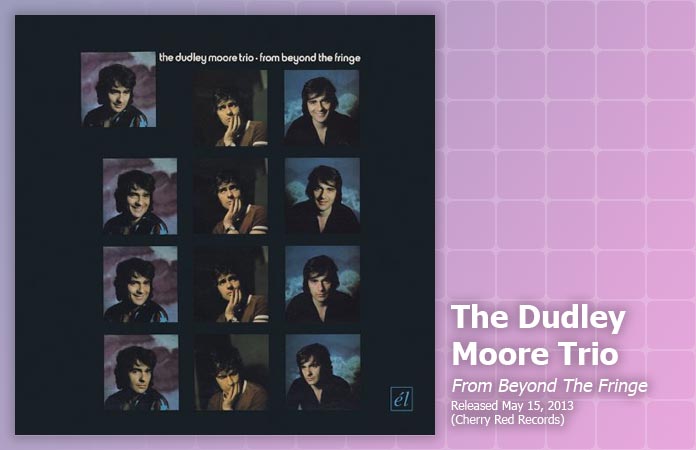
Dud, we hardly knew ye.
To Americans of a certain age, Dudley Moore was that loveable, “cuddly” Englishman of a certain height who improbably got the girl in several huge blockbusters of the ’70s and ’80s—notably Foul Play, 10, and Arthur (for which he received a well-deserved Oscar nomination). Even his less-successful films kept him firmly in the pop-culture consciousness throughout the ’80s—Wholly Moses, Micki and Maude, Best Defense, the Preston Sturges remake Unfaithfully Yours, Arthur 2: On The Rocks, Santa Claus: The Movie, the delightfully crass advertising send-up Crazy People.
Hits or flops, there’s something to love in all those films, and more importantly in his absolutely magnificent work in films like Stanley Donen’s Bedazzled; Bryan Forbes’s The Wrong Box; 30 Is A Dangerous Age, Cynthia; The Bed Sitting-Room; and so many others. But many of his film fans are only vaguely aware of Moore’s career as a highly regarded jazz composer and pianist, whose albums and film scores are every bit the equal of his comedy talent.
Comments Off on Music Review: The Dudley Moore Trio, From Beyond The Fringe
Music Review: Pokey LaFarge, Pokey LaFarge
Published on June 4th, 2013 in: Current Faves, Music, Music Reviews, New Music Tuesday, Reviews |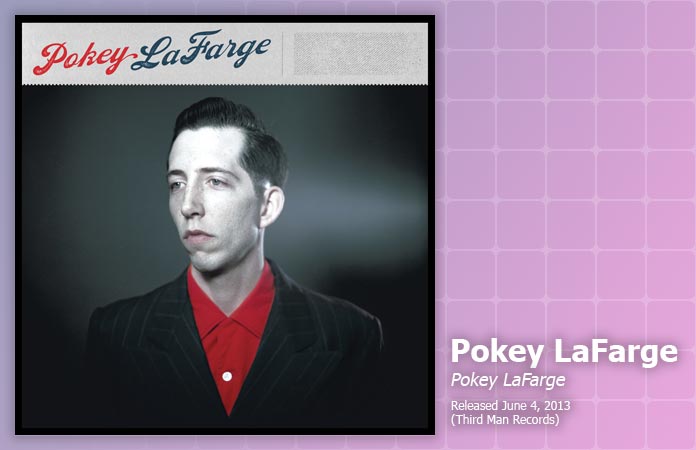
Pokey LaFarge is a great addition to Jack White’s Third Man Records roster. His debut album for the label, Pokey LaFarge, is a rootsy, charming collection of tidy songs (only one is over four minutes long) that is terrifically listenable.
Comments Off on Music Review: Pokey LaFarge, Pokey LaFarge
Music Review: Doris, Did You Give The World Some Love Today, Baby (Expanded Edition)
Published on June 3rd, 2013 in: Current Faves, Feminism, Music, Music Reviews, Retrovirus, Reviews |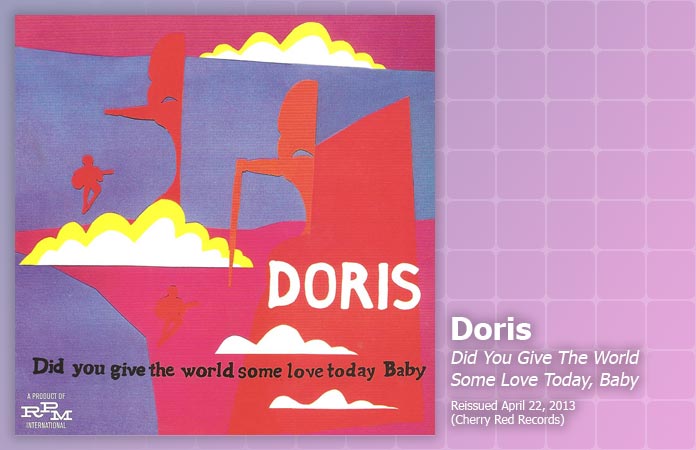
Issued only in Sweden in 1970, Doris’s second album Did You Give The World Some Love Today, Baby is an overlooked gem. It’s a mix of jazz, pop, country, and psychedelia, all percolated together and topped with a singer who has great range and charm. I had put this album on my iPod when it arrived, and when a song would pop up on random play, I’d think, “Oooh, this is interesting,” but it has to be listened to as a whole. Did You Give The World Some Love Today, Baby is mind-blowing and brilliant. It was intended to introduce Doris to English speaking audiences, but it tanked, which is a terrible shame. Newly remastered here, it is absolutely worth listening to.
Movie Review: Charles Bradley: Soul Of America
Published on May 31st, 2013 in: Current Faves, Documentaries, Movie Reviews, Movies, Music |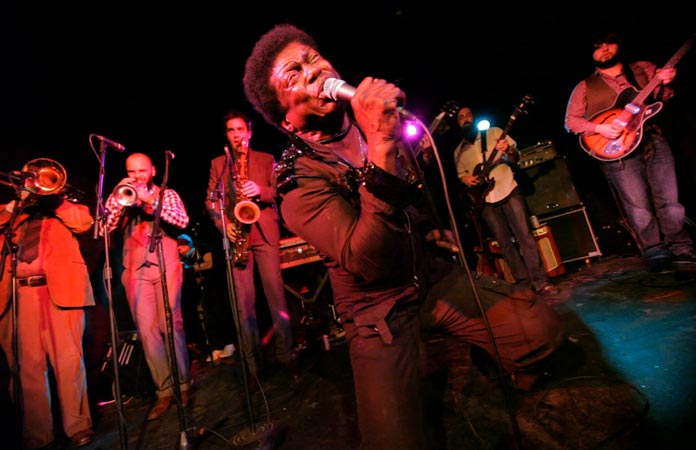
To Charles Bradley, the American dream felt particularly elusive. “I’ve been struggling for 42 years to make it in the [music] industry,” he states at the beginning of the new documentary bearing his name. It’s difficult to believe that someone could keep the faith for so long without becoming bitter or angry, or just giving up. Yet as Soul of America reveals, this is exactly what has happened to Charles Bradley.
Comments Off on Movie Review: Charles Bradley: Soul Of America