Blu-Ray Review: The Howling (Collector’s Edition)
Published on July 24th, 2013 in: Blu-Ray, Current Faves, DVD/Blu-Ray Reviews, Horror, Movie Reviews, Movies, Reviews |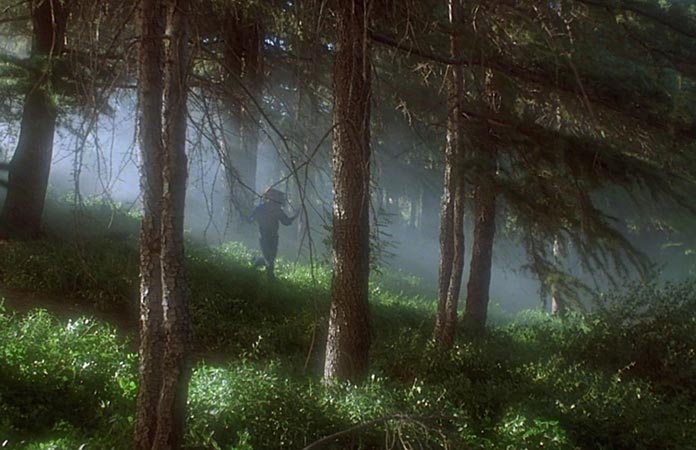
I remember asking my mother when I was ten or so why there weren’t any good werewolf films. There were many vampire films and ghost stories, but werewolf films were a little scarce (still are in my opinion). My mother asked, “Have you seen Silver Bullet or The Howling?”
I later went to my All Movie Guide on my computer (before IMDb was being used regularly) and looked them both up. A few days later, my mother came home with a brown lunch bag and unceremoniously handed it to me. I held it for only a second, wondering what title it could be. My mother bought me VHS surprises all the time, in fact many still sit on my shelves, so I had an inkling of what was in the bag. Peeking inside, I saw The Howling on the Embassy label.
Comments Off on Blu-Ray Review: The Howling (Collector’s Edition)
Music Review: Soft Metals, Lenses
Published on July 23rd, 2013 in: Current Faves, Feminism, Music, Music Reviews, New Music Tuesday, Reviews |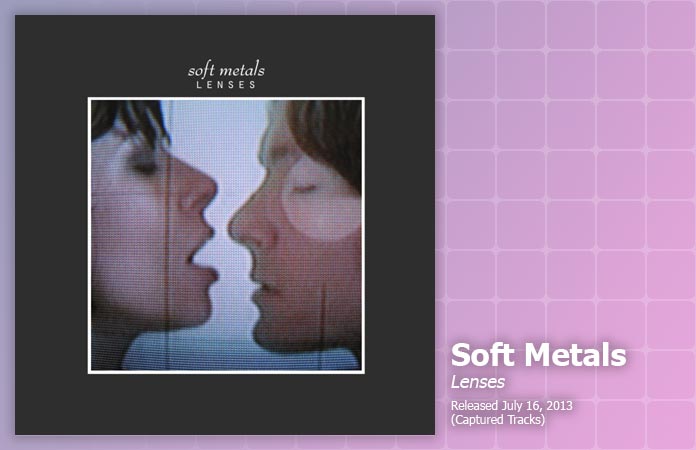
Soft Metals is an appropriate name for a band whose members initially bonded over analog synthesizers. The music of Patricia Hall and Ian Hicks has a hypnagogic quality that’s both solid and liquid. Their newest album, Lenses, continues this liminal exercise with various lyrical visions of love and lust. How you interpret the songs can depend on your mood or point of view.
Rather than relying on harsh textures, the washes of synths on Lenses are mostly fuzzy, sometimes squishy, but rarely piercing, and even then, only when it’s most effective. Hall’s chilly, voluptuous delivery is appropriate for music that’s overflowing with icy sensuality, frequently sounding like the lost soundtrack to a sci fi film from the late ’70s or early ’80s.
Comments Off on Music Review: Soft Metals, Lenses
Blu-Ray Review: Ninja III: The Domination
Published on July 22nd, 2013 in: Action Movies, Blu-Ray, Current Faves, DVD/Blu-Ray Reviews, Movie Reviews, Movies, Underground/Cult |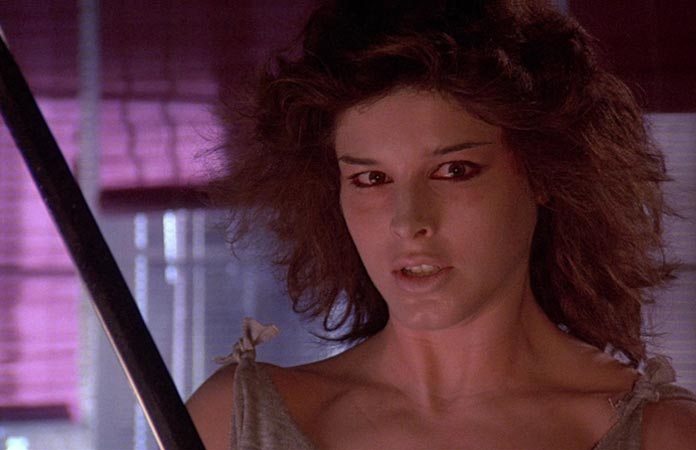
There are many words for Ninja III: The Domination but so little time to express the awesomeness of this weird piece of cinematic gold. Yes, it is the third film in a trilogy produced by Golan-Globus. No, it has nothing to do with the previous two films, but don’t let that stop you from watching this eccentric, romantic ninja flick. I said it, romantic. I imagine Scream Factory has a very long list of films that they want to release under their label, and I’m very glad that Ninja III: The Domination was part of their grand scheme.
Comments Off on Blu-Ray Review: Ninja III: The Domination
Music Review: Tommy Boyce and Bobby Hart, I Wonder What She’s Doing Tonite
Published on July 18th, 2013 in: Current Faves, Music, Music Reviews, Retrovirus, Reviews |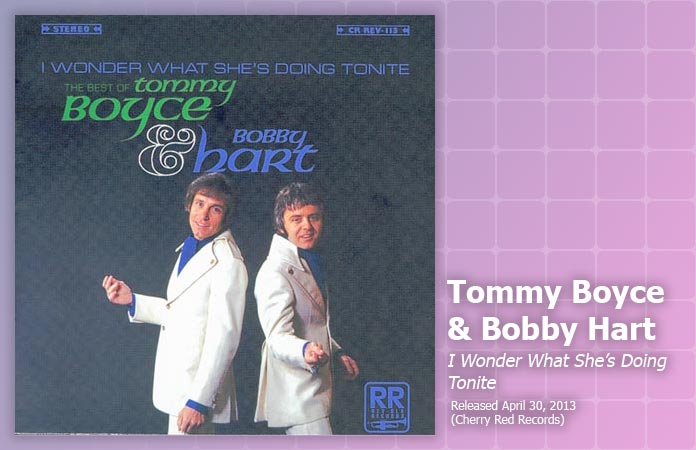
Both the liner notes and the back cover of I Wonder What She’s Doing Tonite posit that Tommy Boyce and Bobby Hart’s association with the Monkees hurt Boyce & Hart’s legacy—that by having written for a “made-for-TV” pop band somehow diminishes their songwriting credibility. Every Monkees album, save for the soundtrack to Head, had at least one Boyce and Hart song on it. And most of those songs were perfect little pop diamonds, carefully crafted and catchy as anything.
I Wonder What She’s Doing Tonite is a collection of the best of Boyce & Hart. Full of complex pop songs with amazing production, these songs will make you wonder just why they aren’t revered like Goffin/King or Mann/Weil. It’s pure joy in your ears.
Comments Off on Music Review: Tommy Boyce and Bobby Hart, I Wonder What She’s Doing Tonite
Blu-Ray Review: The Fog: Collector’s Edition
Published on July 16th, 2013 in: Blu-Ray, Current Faves, DVD/Blu-Ray Reviews, Horror, Movie Reviews, Movies, Retrovirus, Reviews |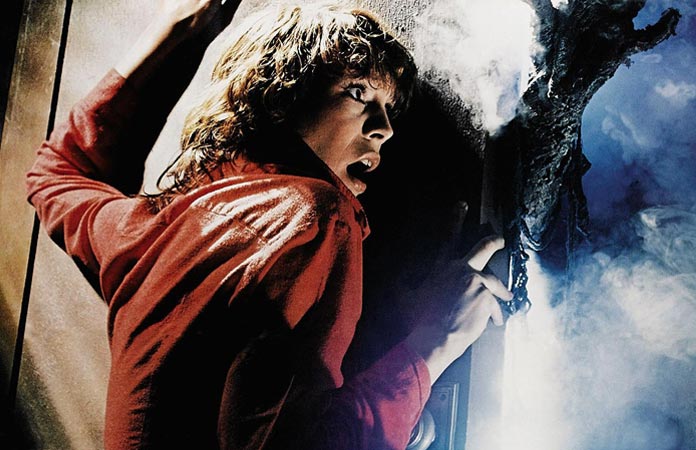
Many of you already know about a company called Shout! Factory. Some of you know that they now have a subgroup that specializes in horror, known as Scream Factory, which has been releasing films on their label since last year. Their horror catalog is growing, and hopefully will continue indefinitely. Their latest releases for the month of July are The Incredible Melting Man and The Fog, the latter a horror classic from the master of horror himself, John Carpenter.
The Fog is an original idea composed by Carpenter and Debra Hill, a simple story, yet pulled off with such finesse. Carpenter haunts you with his mesmerizing score and his beautiful, well-crafted shots.
Comments Off on Blu-Ray Review: The Fog: Collector’s Edition
Music Review: The Blow Monkeys, Feels Like A New Morning
Published on July 16th, 2013 in: Current Faves, Music, Music Reviews, New Music Tuesday, Reviews |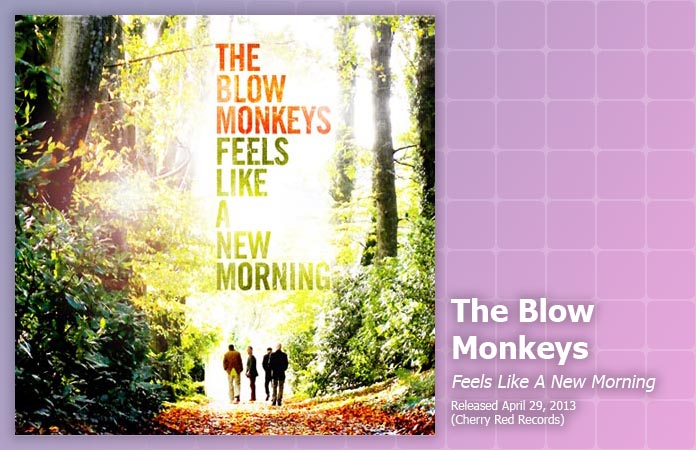
The Blow Monkeys have returned and I didn’t even know I’d missed them. The aptly titled Feels Like A New Morning is a collection of hopeful songs, sung by a man who is clearly at a crossroads, and who sounds pretty damn comfortable with himself. I dig it.
In the eighties, The Blow Monkeys were known for their jazzy, poppy confections with thought-provoking lyrics (and Dr. Robert’s hair, because that was amazing). Now older and wiser, Robert Howard is still writing thinky lyrics, and knows his way around a hook. But these songs aren’t confections; they’re a bit more savory.
Comments Off on Music Review: The Blow Monkeys, Feels Like A New Morning
Movie Review: Pacific Rim
Published on July 15th, 2013 in: Action Movies, Current Faves, Movie Reviews, Movies, Reviews, Science Fiction |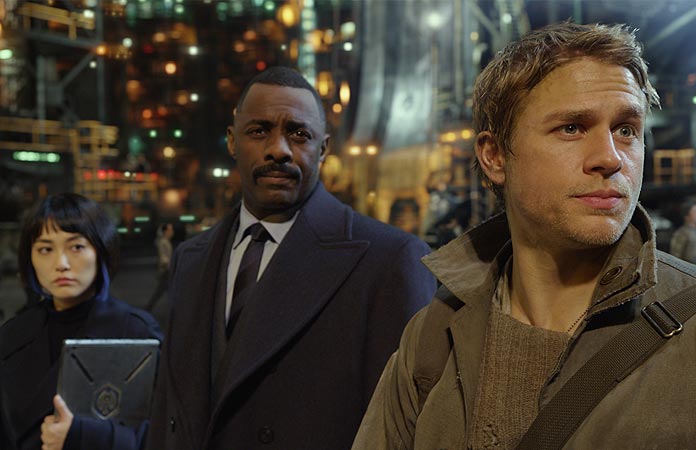
It’s summertime, which means some film fans are complaining that theaters are overrun with blockbusters, even though it’s a trend that’s existed since the ’90s and one that doesn’t seem to be losing any momentum. While it’s true that in many cases, Hollywood tentpoles focus more on big-budget effects than on a decent narrative, Pacific Rim is a delightful surprise that will remind you how enjoyable a truly well-done blockbuster film can be.
Comments Off on Movie Review: Pacific Rim
Music Review: Oblivians, Desperation
Published on July 12th, 2013 in: Current Faves, Music, Music Reviews, Reviews |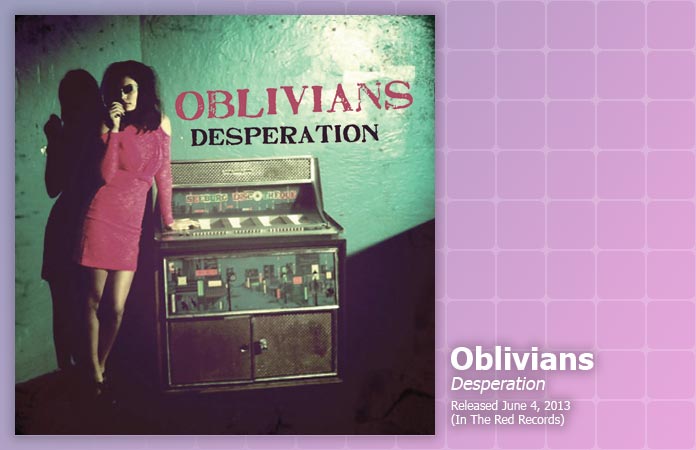
Although it was spectacular, the last Oblivians album was technically a collaborative effort with Mr. Quintron on nine tracks of cover versions and traditional songs. Desperation marks the first release from the band since 1997. The quality of the songs on the album reveals that the various musical endeavors of the trio (Eric Friedl, Greg Cartwright, and Jack Yarber) in the interim has paid off in a huge way.
Comments Off on Music Review: Oblivians, Desperation
Book Review: Nice Guys Don’t Work in Hollywood, By Curtis Harrington
Published on July 11th, 2013 in: Book Reviews, Books, Current Faves, Movies |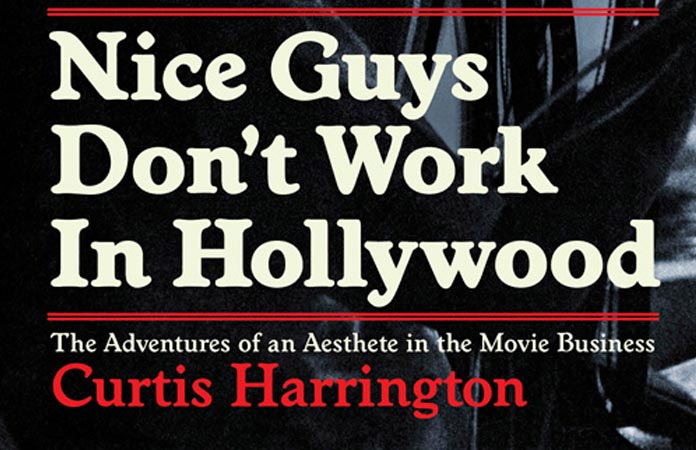
Before Guy Maddin, there was Curtis Harrington. Like Maddin, Harrington made byzantine features that served as a love letter to early cinema at a time when it was mildly unfashionable to do so. He frequently cast dwarf actors and other nontraditional talents alongside the kinds of grandes dames that Hollywood forgot. His films incorporated outmoded narrative and technical elements that, when used well, could hypnotize audiences. Unlike Maddin, who is recognized by his peers as a true visionary, Harrington had worked his way through the studios during the New Hollywood era, when the kind of work he was doing was on its way out, and he never got the recognition he quite deserved.
Harrington’s posthumously published memoir Nice Guys Don’t Work in Hollywood reads a bit like history as told from the perspective of someone who had the talent and drive but not the aesthetic. Though Harrington would hate the phrase “lovable loser,” his point of view and self-deprecating sense of humor mitigate any pity one might feel towards his series of near misses.
Comments Off on Book Review: Nice Guys Don’t Work in Hollywood, By Curtis Harrington
Music Review: Preservation Hall Jazz Band, That’s It!
Published on July 9th, 2013 in: Current Faves, Music, Music Reviews, New Music Tuesday, Reviews |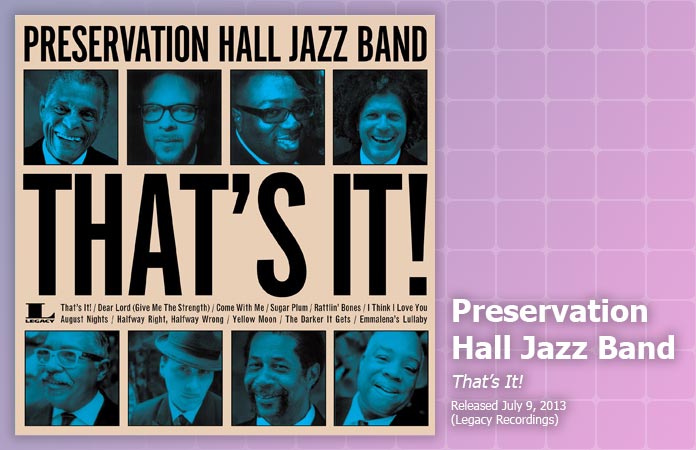
An important fact that not everyone knows is this: If a band has a tuba player in it, it is generally worth going to see live. This goes double for the Preservation Hall Jazz Band. The Preservation Hall Jazz Band was founded in 1961, dedicated to promoting traditional New Orleans jazz. Their new album That’s It! is their first album of entirely original music in their entire 50-year history. Produced by My Morning Jacket’s Jim James and Preservation Hall’s Creative Director, Ben Jaffe, That’s It! is an album of future standards.
Comments Off on Music Review: Preservation Hall Jazz Band, That’s It!