TIFF 2016 Movie Review: (Re)Assignment
Published on September 23rd, 2016 in: Action Movies, Film Festivals, LGBTQ, Movie Reviews, Movies, Reviews, Upcoming Movies |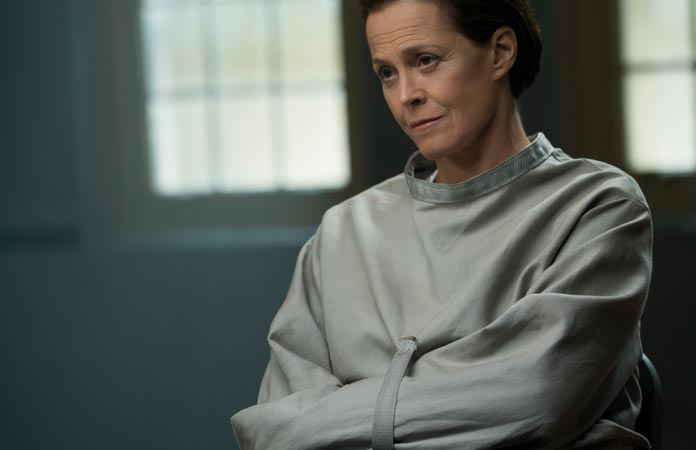
When the best thing you can say about a film is that “it’s not quite as transphobic as people are saying”, you know that film has major issues.
(more…)
In Case You Missed It: May 9 – 20, 2016—Please Stand By
Published on May 20th, 2016 in: Documentaries, LGBTQ, Movies, Music, Pro Wrestling, Reissues, Retrovirus, Reviews, TV |
It’s Good News/Bad News time. The good news is that I am submitting a chapter to an upcoming book anthology. The bad news is that the deadline is quickly approaching and I need to finish!
This means that Popshifter will be going on a bit of a break until June. In the meantime, please enjoy the following articles that you might have missed over the last couple of weeks.
What about movies? If you’re looking for something to see this weekend that is the exact opposite of The Nice Guys, you might try Ben Wheatley’s High-Rise. Tyler Hodg enjoyed the videogame adaptation of Rachet and Clank, while Christine Makepeace was appalled by the sexism in documentary All Dolled Up.
If you want music recommendations, look no further than Popshifter! Melissa Bratcher enjoyed the self-titled debut of Big Star’s Jody Stephens with Luther Russell, a.k.a. Those Pretty Wrongs; adores by Ominivore’s reissue of two albums from The Blind Boys Of Alabama; thinks the latest album from Gregg Martinez, Soul of the Bayou, is a charmer; and is thrilled by the way On The Ropes shows that the Honeycutters keep getting better.
Tim Murr thinks Black Absinthe could be as big as AC/DC after hearing Early Signs of Denial; Tyler fondly reminisces about Sloan’s album The Double Cross on its five-year anniversary and praises Royal Tusk for adding some spice to the frequently stale genre of rock on DealBreaker; and Eric Weber describes his history of discovering Divine’s music in his review of the Cherry Red Records anthology, Shoot Your Shot.
Finally, Sachin Hingoo catches us up with what’s happening on Lucha Underground.
Music Review: Shoot Your Shot: The Divine Anthology
Published on May 18th, 2016 in: Current Faves, LGBTQ, Music, Music Reviews, Reissues, Retrovirus, Reviews, Underground/Cult |By Eric Weber
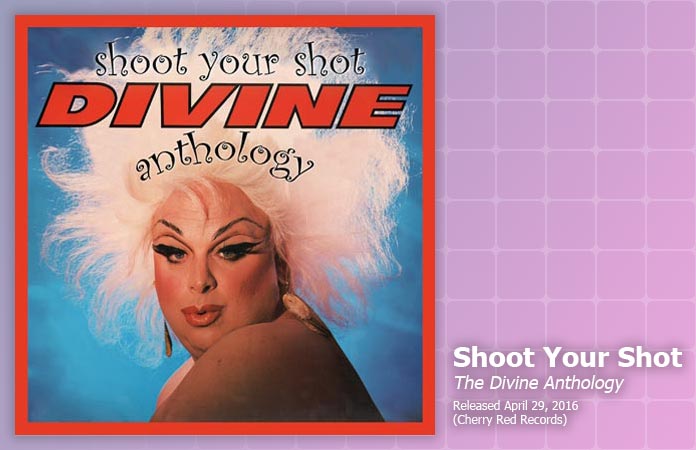
The time was 1991; the place was Wax n Facts in Atlanta, Georgia.
Flipping through the packed cardboard box, my jaw dropped when I saw the huge white letters emblazoned across the top of the record sleeve: DIVINE.
I quickly snatched it up, examining every inch of the album. I couldn’t believe it. Divine: Greatest Hits. He had hits?
In Case You Missed It: April 24 – 30, 2016—Throwing Shade In The Green Room
Published on May 1st, 2016 in: Comedy, Current Faves, Documentaries, DVD/Blu-Ray Reviews, Horror, ICYMI, LGBTQ, Movie Reviews, Movies, Music, Music Reviews, Pop Culture News, Reissues, Retrovirus, Reviews, The Internets, TV, TV Reviews |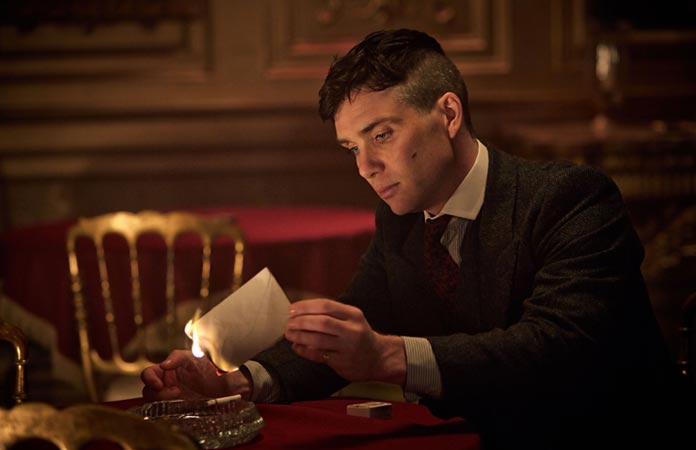
Even Tommy Shelby wants to see more diversity in TV.
Did you know that April 8 is the day in Queer History that all homosexuals were cured? Hahaha, we’re just kidding. It’s actually the day that homosexuality was removed from the DSM.
And speaking of queer folks, here’s an open letter to the TV industry about why we’re so fucking sick of straight white dudes.
In other TV news, Sachin Hingoo bids farewell to Broad City until next season with the hilarious “Jews on a Plane” and Laury Scarbro reveals how all hell breaks loose on Outsiders in the appropriately titled episode, “All Hell.”
May is the month when the long-awaited Season 3 of Peaky Blinders arrives on our TV screens. Did you know David Bowie was a fan of the show? Try to keep your eyes from leaking when you read about what he sent to the show’s lead actor, Cillian Murphy. (Here’s a recent, wonderful, career-spanning interview with Mr. Murphy that includes some lovely photos.)
Everyone is talking about the talking animals in The Jungle Book movie but don’t forget about Jeremy Saulnier’s follow-up to Blue Ruin, called Green Room. Brian Baker took the plunge and reviewed this ultraviolent, ultra-brilliant film. You might forget about Hardcore Henry after you see it, though, as Tyler Hodg remarks in his review.
Meanwhile, on the home video front, Jeffery X Martin tackles the “bad crazy” with Arrow’s reissue of Niko Mastorakis’s The Zero Boys, Sachin has warm fuzzies over the white foam in the Blu of ‘80s schlock horror The Stuff, and Melissa Bratcher is delighted that Bayou Maharajah, the doc about infamous New Orleans piano player James Booker, is finally available for everyone to see.
Bone Tomahawk was my favorite movie of 2015 but I’ve never seen one entry in Charles Band’s bizarrely legendary Puppet Master series, so imagine my surprise (and delight?) to learn that the director behind Bone Tomahawk is helming the Band-less Puppet Master reboot. Modern Horrors has the deets.
Oh, and if you’ve always wanted to delve into actor Sho Kosugi’s career, The ScreamCast can help with their most recent podcast, “A Show on Sho.”
It’s been just over a week and we’re still trying to come to terms with a world without Prince. Here’s a stupendous 2009 article from the L.A. Times about the side of Prince that most people in the public rarely saw. Then, lighten up with this hilarious YouTube video, a compilation of all the times that Prince threw shade.
We have a ton of new music for you to check out this week: Tim Murr raves over the David Lynch aura of Dark Palms’ Hoxbar Ghost Town and insists that Grindmother’s Age Of Destruction is not a novelty album; Melissa calls The Jayhawks’ Paging Mr. Proust “a record for the ages” and marvels at the depth and breadth of Cherry Red’s latest comp, Another Splash of Colour: New Psychedelia in Britain 1980 – 1985; while X comforts us with the fact that at least Rob Zombie is good at coming up with song and album titles.
Could it be that Ke$ha is finally free? Find out about this and the “boycott Beyonce” movement on Unicorn Booty’s latest installment of NOW HEAR THIS!
Since tomorrow is a Monday (groan!), here is something that might make the day go a bit faster: a list of 11 hilarious and slightly political celebrities that you must follow on Twitter.
In Case You Missed It: April 10 – 16, 2016–Bloody Knives and The Boob Tube
Published on April 16th, 2016 in: Blu-Ray, Feminism, Gaming, LGBTQ, Magick, Movies, Music, TV |
Congratulations to Rue Morgue Magazine for winning the RONDO AWARD for Best Magazine. What are the Rondo Hatton Awards?
“The Rondo awards, named after Rondo Hatton, an obscure B-movie villain of the 1940s, recognize the best in classic horror research, creativity and film preservation. This year’s e-mail vote, conducted by the Classic Horror Film Board, an 18-year old online community, drew a record of more than 3,400 votes as fans chose among 35 categories.”
Well done, Rue Morgue!
If you’re looking for some new music this week, might we suggest checking out Popshifter’s exclusive stream of Bloody Knives’ I Will Cut Your Heart Out For This, which dropped on April 15? It’s shoegaze, it’s goth, it’s got gorgeous vocals, and it’s loud as hell.
Also on the new music list is a live album from Professor Longhair recorded in 1976, the Nigerian music compilation Wake You Up! Volume 1, and eccentric pop singer Dinner’s Psychic Lovers. Meanwhile, on the Everything Is Scary blog, I discuss how Manchester duo Demdike Stare’s collages of sound and imagery provoke responses akin to nightmares.
Have you ever heard of Clela Rorex? She issued the first gay marriage license in Boulder, CO in 1975, thus helping to chip away at bigotry and homophobia.
Matt Keeley at Unicorn Booty discusses, in detail, how the recent trans episode of Powerpuff Girls is actually transphobic. But on the other hand, there’s also a heartwarming post about how Rihanna helped one of her gay fans come out. With all the news of homophobic celebs, it’s nice to read something positive.
In further TV news, Tyler Hodg has finished Season 10 of Trailer Park Boys on Netflix. Despite being mostly disappointed with this season, he thinks that the finale was excellent and might even make you cry, in addition to paving the way for an even better Season 11.
Laury Scarbro is equally smitten with the most recent episodes of Outsiders and Sachin Hingoo feels much the same about Broad City. Speaking of Broad City, Sachin has a preview of the upcoming mini-series Time Traveling Bong, starring Ilana Glazer and Paul W. Downs. Rue Morgue gives Tom Noonan, who stars in the SyFy TV version of 12 Monkeys, the “Sinister Seven” and Biff Bam Pop recaps the premiere episode of Season 4 of Orphan Black!
In the mood for gaming? Although Tim Ford at Everything As Scary thinks Don’t Starve: Shipwrecked is less scary than its predecessor, he still gives it a fair shake.
There is much to discuss on the movie front. The casting of Scarlett Johansson in the upcoming film adaptation of Japanese Manga Ghost in the Shell has many crying “whitewashing” (and for good reason). Jeffery X Martin looks at the Death Walks Twice Giallo box set from Arrow, I am gravely disappointed in new horror flick 13 Cameras, and Women and Hollywood has a list of women-centric films playing near you this week.
Finally, if you haven’t heard of Doreen Valiente, that should change. This VICE article points out that this mother of modern witchcraft was also a pro-choice spy.
In Case You Missed It: March 13 – 19, 2016–SXSW Reviews & Music News
Published on March 19th, 2016 in: Comedy, Film Festivals, Gaming, Horror, ICYMI, LGBTQ, Movie Reviews, Movies, Music, Music Reviews, Netflix Reviews, Reviews, TV, TV Reviews |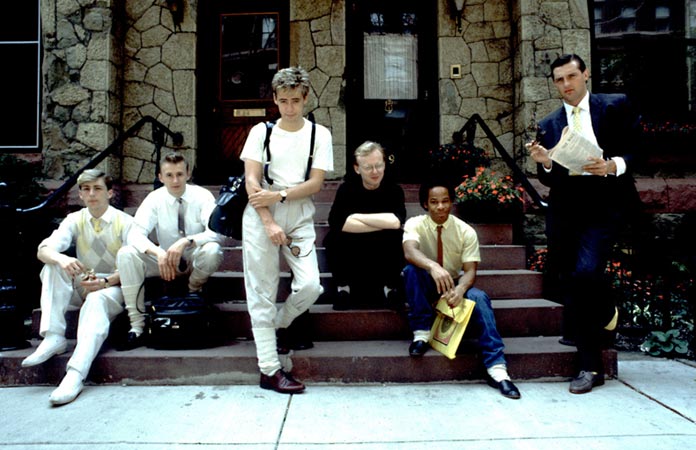
Let Haircut 100 make you happy.
Our tireless SXSW Film Festival correspondent Brad Henderson has returned to bring you reviews of all the genre films playing at this year’s SXSW. First up, is The Greasy Strangler, which is as gross and weird as its title suggests. Look for more SXSW movie reviews next week on Popshifter!
Everyone has been talking about 10 Cloverfield Lane and Jeffery braved the multiplex to bring you this non-spoilery yet mega-praiseworthy review.
Both Jeffery and I loved Baskin, the Turkish horror flick from Can Evrenol that opens in theaters and VOD on Friday, March 25. Hopefully you will love our (also non-spoilery) reviews.
Stepping outside of the horror genre for a moment, Jeffery also checked out the unexpected delights of the new Pee-wee Herman movie called Pee-wee’s Big Holiday. Joe Manganiello obviously needs to take on more comedy roles.
Another premiere on Netflix this week is the much-anticipated second season of Marvel’s Daredevil. I’ve got the scoop on the first seven episodes of the season over at Biff Bam Pop.
In some exciting and unexpected TV casting news, Andy Burns at Rue Morgue reports that Canadian punk rock and acting legend Hugh Dillon is going to be on the new season of Twin Peaks next year. Yet another reason to tune in, as if you needed any.
Sachin has two Lucha Underground recaps this week because last week’s episode, “Death Comes In Threes,” threw him for a loop, and not necessarily in an enjoyable way. The good news is that the show has recovered quickly with the excellent “Life After Death.”
Another show that had a stellar episode was Outsiders, which as Laury reports, finally got some serious character development and plot momentum with “Weapons.” And on The Walking Dead, we’re still in “The Same Boat” in terms of zombies, people dying, and not actually seeing Negan’s face.
So much music this week! Melissa has reviews of three of this week’s best releases: a spectacular album from Grant-Lee Phillips, the crazy Americana compilation Wayfaring Strangers: Cosmic American Music from Numero Group, and a brilliant reissue of the already-brilliant and woefully underappreciated Pelican West by Haircut 100. And from S. Elizabeth at Dirge Magazine, a gorgeous analysis of the equally-gorgeous Full Circle from HÆLOS.
More music news comes from Unicorn Booty’s NOW HEAR THIS! where you can find out about Michelle Obama’s new single (WHA?!), The Pet Shop Boys, and Malcolm McLaren’s annoying son.
Look for reviews of new releases from Dirty Sidewalks, Iggy Pop, and Lust For Youth soon on Popshifter.
In gaming news, you might be interested in this report about how one of the reps for Oculus Rift is a straight(-up) douchebag.
Fannibals got a hint of this in Hannibal’s second season (Achilles + Patrocles 4 LYFE), here’s more evidence that Greek mythology is way gayer than you thought.
What happened this week on Today In Pop Culture? Speaking of Greek mythology, we discuss Caligula, in addition to the Ides of March, St. Patrick, Wings, and Perry Como.
In Case You Missed It: February 28 – March 5, 2016–Twitter Trolls, TV & More
Published on March 5th, 2016 in: Blu-Ray, DVD, DVD/Blu-Ray Reviews, Feminism, ICYMI, LGBTQ, Movies, Netflix Reviews, Reviews |
This week was part February, part March, and jam-packed with pop culture.
Twitter recently vowed to fight harassment online. Naturally racist and misogynist trolls were outraged, which is hilarious considering their constant whining about “social justice warriors” being outraged on Twitter. Here is an excellent report on the whys and wherefores of this new announcement and whether or not it stands a chance of being successful.
Speaking of controversy, did you know that a straight Christian man posed as gay for a year and then wrote a book about it? It’s pretty illuminating.
If you haven’t been paying attention, our own Tyler Hodg has been faithfully recapping every episode of the new Fuller House series on Netflix. So far, the show has been wildly uneven, but might finally get it right around episode 10. Too bad there are only three more to go…
Also in TV news, Lucha Underground picks itself up after a not-so-great episode from last week (though Sachin warns that we shouldn’t mention Sexy Star vs. Kobra Moon ever again), Outsiders still refuses to develop some of its characters for some reason, and The Walking Dead introduces a new insufferable character named Gregory. Oh, and (spoiler alert) Rick kills someone. Again. (Can’t take that guy anywhere.)
If you’re looking for some old movies you might have missed, Jeffery’s here to help. Check out the new Nikkatsu Diamond Guys Vol. 1 collection from Arrow or The Bees from Vinegar Syndrome, which includes not only bees but also John Saxon.
Everyone’s been talking about Deadpool lately, but why? As Laury reports, it might just be the comic book movie that will change the game. It got her to become a Ryan Reynolds fan, after all. Wrestling aficionados will be interested in new documentary The Sheik, which Jeffery notes that at times feels more scripted than your average wrestling match.
New music this week gets reviewed by Melissa. It includes the self-referentially titled but ultimately disappointing Music To Listen To Music To from La Sera and the much more enjoyable Poison & Medicine from Marc Stone, who hails from New York but has a shockingly good grasp on New Orleans and the blues.
It’s 2016 and that might mean a new Lana Del Rey album is in the near future. But what if you’re still not sick of listening to Honeymoon yet? Matt Craven explains why it might be her secret masterpiece.
Perhaps the only kind of music more divisive than LDR or rap is country. You might be a country music fan if you like even one of these 16 tunes.
What happened this week on Today In Pop Culture? The Bermuda Triangle, The National Anthem, King Kong, The Salem Witch Trials, and how Leap Year fits into the space-time continnum.
In Case You Missed It: February 21 – 27, 2016–Cults, Conspiracy Theories & More
Published on February 27th, 2016 in: Comedy, DVD/Blu-Ray Reviews, Feminism, Horror, ICYMI, LGBTQ, Movies, Pro Wrestling, Reviews, TV |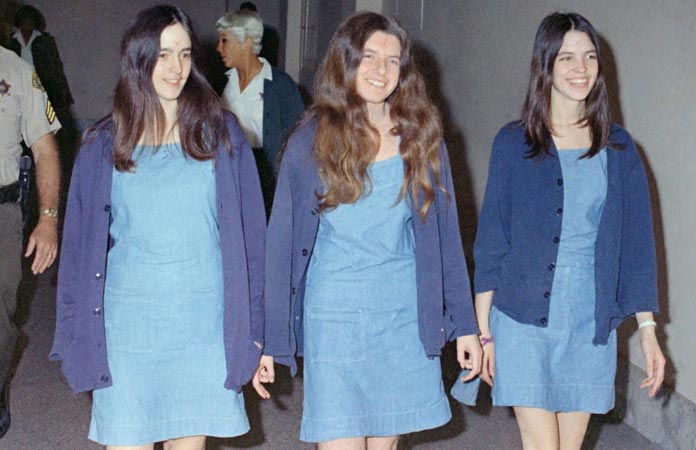
Let’s get things started with some OMGWTFLOL and a short history of women throwing their tampons at you.
Do you like Charles Manson? Sure, we all do! Popshifter’s latest podcast is available now and it’s full of commentary on The Veil, The Sacrament, Lana Del Rey, and other cult-related ephemera.
The tenth season of The X-Files ended this week and the Internet hivemind was not exactly pleased. Read what Jeffery X Martin thought of each of the six episodes.
Still not satisfied? FINE. Here’s my take on Season 10.
Full House is back! Well, sort of. Tyler takes on the first three episodes of Fuller House, the reboot that everyone/no-one wanted. Commiserate with Laury on The Walking Dead and Outsiders, and laugh with Sachin about Lucha Underground and Broad City.
The Oscars air on Sunday and while everyone’s been buzzing about #OscarsSoWhite, let’s not forget that they aren’t exactly queer-friendly, either. Here are 5 unfortunate truths about LGBT diversity in Hollywood, plus a scathing assessment of the industry’s transphobia from nominee and transgender musician Anohni.
There is a lot of music news this week, and Unicorn Booty has you covered on NOW HEAR THIS! Learn all about the need for the #FreeKesha movement, Santigold’s latest album, and more.
Looking for some new music? May we suggest Santigold, Emitt Rhodes, Bill Carter, Golden Daze, or Wolfmother?
On the movie front: Tim Murr wonders why 1988’s Alien Nation doesn’t have a proper Blu-Ray edition, Jeffery X Martin wanders down the darkly humorous path of disenfranchisement with Criterion’s new release of The Graduate and calls Creed “one hell of a movie.” If you live in Canada, you can check out the new CBC documentary Girls’ Night Out, which discusses the sobering personal cost of binge-drinking.
What happened this week on Today In Pop Culture? The RMS Britannic, Lawrence Welk, Nazis, Tootsie Rolls, and clones.
In Case You Missed It: February 14 – 20, 2016
Published on February 20th, 2016 in: Feminism, Horror, ICYMI, LGBTQ, Movies, Music, Reviews, True Crime, TV, TV Reviews |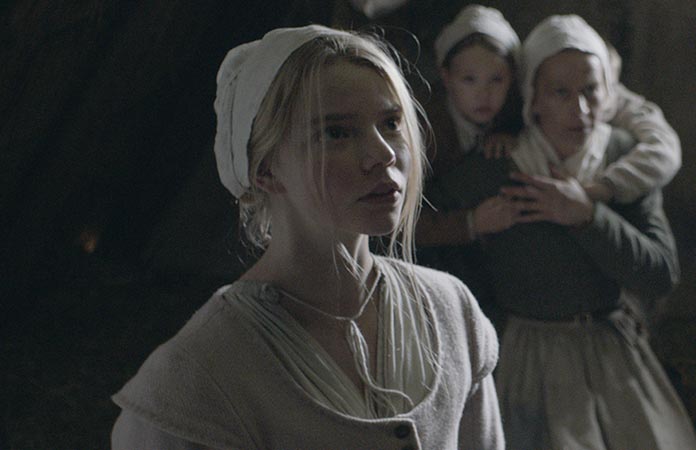
We are thrilled to publish a Retro Review of The Zombies’ classic Odessey and Oracle album from none other than esteemed musician, Lenny Kaye!
The Witch, which has received an overwhelming number of positive reviews, opened on February 19. Far be it from me to tell you how to live your life, but I think you should go see it. Here’s why.
There’s been yet another death in the music world this week: Vanity, who most will remember as a Prince protégé and the singer for Vanity 6, but who also delighted movie and TV audiences in Action Jackson and Miami Vice, respectively. Unicorn Booty has the scoop on this, the return of Orphan Black, Kendrick Lamar’s secret stash, and much more.
It’s February, and that means it’s Women in Horror month. Maybe Angela Lansbury’s role on Murder, She Wrote wasn’t straight-up horror, but it’s still iconic. Did you know that she’s going strong at 90 years old? It’s true. Just last year, she reprised her role as Madame Arcati in the play Blithe Spirit, which toured North America. Here’s a great list of nine of the best Murder, She Wrote episodes.
There’s been a lot of talk about Silence of the Lambs recently, as the 25th year of its release approaches. While it’s still criticized for its depiction of trans and gay people, the character of Buffalo Bill was a composite of several real-life serial killers, including Ed Gein. Although most crimes are still committed by straight folks, as this article points out, freaky sex crimes and murders are equal opportunity. Here’s a list of ten scary but true gay psychopaths.
We’ve got TV recaps on Popshifter, y’all! The new episode of The X-Files (which is probably my fave yet in this tenth season), Outsiders (where you’ll learn about a “pitfight”), and Lucha Underground (spoiler alert: it involves baby oil).
What happened this week on Today In Pop Culture? Turntables, flying cows, Modern Art outrage, King Tut, and cats.
Music Review: Smokey, How Far Will You Go? The S&M Recordings 1973-81
Published on June 26th, 2015 in: Current Faves, LGBTQ, Music, Music Reviews, Reissues, Retrovirus, Reviews |By Tim Murr
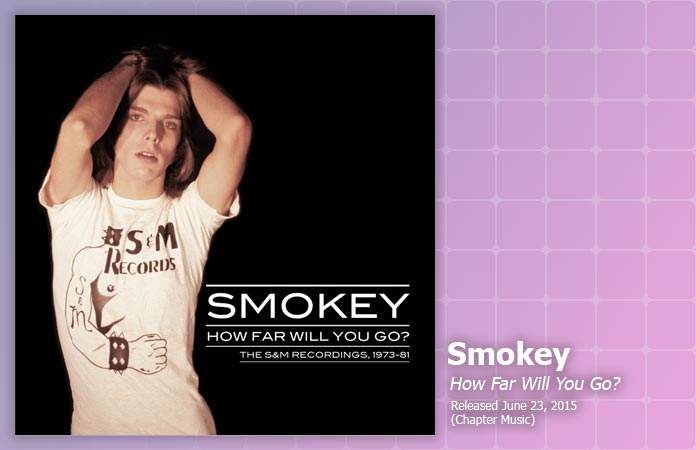
I find it hard to believe that there once existed a band that featured guest appearances from James Williamson (The Stooges) and a young Randy Rhoads (Quiet Riot, Ozzy Osbourne) that I’ve never heard of and you probably haven’t, either. But it’s true! The band is called Smokey.